Welcome to the Family

Sabbath Day Thoughts — “Welcome to the Family” Mark 3:20-35

In October of 1892, the Presbytery of Champlain received an unusual gift: Johnson’s Island, a one-acre rocky isle in Upper Saranac Lake. The island was the dream of three of Plattsburgh’s biggest movers and shakers. Chief among them was Smith Weed, the one-time President of Plattsburgh and six-time state assemblyman, known for smoking as many as nine cigars in a day. Smith hoped to enlist the Champlain Presbytery in launching an ecumenical summer chapel to serve both visitors and year ‘round residents to the lake. There was a big string attached to the gift: the Presbytery would need to build a church on Johnson’s Island within the year. The trustees of the Presbytery met the challenge. After all, they were on a building streak, launching little mission churches across the Adirondacks, having begun with our church—this very sanctuary—in 1890. Soon Johnson’s Island had a new name, Chapel Island, and in 1893 the little summer church was christened the Island Chapel.

My introduction to the Island Chapel came in 2005, not long after my arrival at this church. The late John Fitch called me up and persuaded me to trade this pulpit on a summery Sunday for the one at the Island Chapel. John and Anne were longtime servants to the ministry there. In fact, as soon as the Fitches had returned from sunny Florida, the ice was out, and the water was warm enough, John had me out in their Crisscraft, circumnavigating Chapel Island. Most years, I preach at the Island Chapel. And when John, and then Newt Greiner, retired from the role of Clergy Coordinator, they drafted me to do the job for seven years. I found it fascinating that I could find folks to preach on Chapel Island for the ten Sundays of summer faster than I could find one minister to supply the pulpit on any one given Sunday in Saranac Lake.

Over the years, things have changed. In 1956, a picnic fire on Chapel Island bloomed into a major conflagration that consumed the original Victorian chapel. A new Adirondack-style structure rose from the ashes in 1958. With the decline of North Country population and the closing of small churches, the Presbytery of Champlain was forced to join forces with the St. Lawrence Presbytery to form the Presbytery of Northern New York in the 1960s. Yet things have stayed the same, the ecumenical ministry that shares the love of Christ on Chapel Island continues. Indeed, in 2014, the ministry received a Tauny Award for their longstanding commitment to living local cultural heritage. But even good things sometimes need to change. Three years ago, the Presbytery of Northern New York realized that their declining resources meant they could no longer sponsor the Island Chapel.

Change can be hard, whether we are talking about modern day churches or we are considering the changes that Jesus brought to his first century world. As Jesus healed, forgave sins, and preached the good news of God’s Kingdom, he faced increasing opposition. Last week, we learned of powerful enemies rising among the Pharisees and followers of King Herod. This week, we heard the story of two further conflicts, one with Jesus’ family and the other with scribes from the Temple in Jerusalem.

Let’s start with Jesus’s kin. It must have been tough for them when Jesus announced he was trading his carpenter’s hammer for a rabbi’s tallith.  In the first century, sons followed in their father’s footsteps. Mother Mary and the siblings had a host of expectations for Jesus as the oldest son, expectations that he was not fulfilling. Jesus belonged in Nazareth, running the family business.  He should have been out bidding on jobs and teaching his brothers building skills.  He should have been caring for his widowed mother and arranging marriages for his younger sisters. In addition to those failed expectations, Jesus had made enemies of powerful people who controlled the political and religious landscape of Israel.  Messing with King Herod, the Pharisees, and the scribes—was he crazy?

The family thought they were doing the right thing when they knocked on the door of the house where Jesus was staying, intent on restraining him.  The Greek word that Mark uses for restrain—krateo—means to lay hands on, seize, and forcibly detain someone. Mary and the siblings loved Jesus, so they were going to take him home, restore the right order, and keep him safe. The only problem, of course, was that Jesus had a higher calling, a different sort of family obligation to his heavenly Father. That holy purpose superseded any claim that the Nazareth clan could make. Discerning the intent of his family to derail his mission and God’s purpose, Jesus wisely declined their invitation.

In the midst of this family feud, Jesus had the biggest Bible scholars of the day on his back. The scribes didn’t like what Jesus taught, they didn’t care for the rabble who hung on his every word, and they couldn’t explain Jesus’s amazing miracles.  So, they decided to discredit him, accusing him of being in league with the devil. If Jesus sounded put out by this in our reading, it’s because the scribes were making the unforgiveable mistake of saying that God is the devil. Yikes! It’s this sort of essential difference of understanding that would split the family of first century Judaism. Traditionalists, who denied the new thing that God was doing in Jesus, would ultimately reject and cast out those who saw the holy power of Jesus and trusted that he was Messiah and Lord.

Over and against the cultural and religious expectations of kinfolk and scribes, Jesus described a new sort of family that would supplant the ties of Temple and blood. It’s the family of faith. Anyone who does the will of God, anyone who serves God’s Kingdom, can become a member. As Jesus looked around the home where he was staying, he saw men and women devoted to loving God and neighbor. They were like sisters and brothers. When Jesus was under attack by those powerful opponents, when he was at odds with his kin, he turned to God and his friends in the faith. There he found the support and encouragement that he would need to persevere in a gospel ministry that would ultimately send him to the cross. In the long years to follow, Jesus’ followers would likewise depend upon this new notion of kinship, as they faced rejection by families and persecution by Temple and empire.

At this church, we know the beauty and goodness of a family of faith, don’t we? Look around. These are the people who are in our corner when we feel at odds with the world. They show up with hot dishes when we are bouncing back from big surgeries or big losses. They give us a call when they haven’t seen us in a while. They get down on their knees and pray for us. They teach our children. They feed us in Coffee Hour. They join us in wrestling with the big questions of scripture and faith. They walk with us for CROP Walk, Sermons on the Trail, and through the darkest valley. Thank goodness for the family of faith!

Today we welcome to our family of faith our friends who minister at the Island Chapel. Last summer, as they came to grips with the Presbytery’s decision to part ways, I was visited by Ross Whaley and Will Main, who have served the Island Chapel for years. They wondered, would our church be willing and able to come alongside them as sisters and brothers in faith to fill the gap that was being left behind by the Presbytery? Our Session and the executive committee for the Island Chapel appointed a taskforce to discern together what a shared ministry might look like.

Thank you to Anita Estling, Pam Martin, Kim Weems, David Fitch, Will and Leslie Main, Ross Whaley, and Pam Werner, who served with me on the taskforce. We zoomed a lot. We thought about the finer points of Presbyterian polity. We developed a memorandum of understanding. We sought appropriate insurance, titles, and registrations. We dreamed about the Island Chapel finding in this church a new sponsor and supporter for their good news. We dreamed of this church embracing the Island Chapel as an ecumenical summer outreach ministry. We think we’ve got it figured out. Today, with a time of commissioning, we welcome and celebrate our sisters and brothers from Chapel Island.

Change can be hard, whether we are considering the changes that Jesus brought to his first century world, or we are speaking of the shifting networks of support that come in dwindling twenty-first century mainline denominations. Yet change can be a blessing as we follow Jesus and serve God’s Kingdom. As we celebrate a new kinship between the First Presbyterian Church of Saranac Lake and the Island Chapel ministry, may we find the same sort of support, encouragement, and holy purpose that Jesus and his friends found in one another. Welcome to the family. Amen.

Resources

C. Clifton Black. “Commentary on Mark 3:20-35” in Preaching This Week, June 9, 2024. Accessed online at Commentary on Mark 3:20-35 – Working Preacher from Luther Seminary.

James Boyce. “Commentary on Mark 3:20-35” in Preaching This Week, June 7, 2015. Accessed online at Commentary on Mark 3:20-35 – Working Preacher from Luther Seminary.

Matt Skinner. “Commentary on Mark 3:20-35” in Preaching This Week, June 7, 2015. Accessed online at Commentary on Mark 3:20-35 – Working Preacher from Luther Seminary

Wikipedia Contributors. “Smith Mead Weed” in Wikipedia, The Free Encyclopedia, January 12,  2024. Accessed online at https://en.wikipedia.org/w/index.php?title=Smith_Mead_Weed&oldid=1195036261

Nathan Ovalle. “Lost in history: Smith Weed’s legacy fading with time” in The Press Republican, Dec. 14, 2014. Accessed online at Lost in history: Smith Weed’s legacy fading with time | Local News | pressrepublican.com

Seaway Abstract Corporation. “Abstract of Title to An Island, Town of Harrietstown, Franklin County #978” December 10, 1985.


Mark 3:20-35

20and the crowd came together again, so that they could not even eat. 21When his family heard it, they went out to restrain him, for people were saying, “He has gone out of his mind.” 22And the scribes who came down from Jerusalem said, “He has Beelzebul, and by the ruler of the demons he casts out demons.” 23And he called them to him, and spoke to them in parables, “How can Satan cast out Satan? 24If a kingdom is divided against itself, that kingdom cannot stand. 25And if a house is divided against itself, that house will not be able to stand. 26And if Satan has risen up against himself and is divided, he cannot stand, but his end has come. 27But no one can enter a strong man’s house and plunder his property without first tying up the strong man; then indeed the house can be plundered.

28“Truly I tell you, people will be forgiven for their sins and whatever blasphemies they utter; 29but whoever blasphemes against the Holy Spirit can never have forgiveness, but is guilty of an eternal sin”— 30for they had said, “He has an unclean spirit.”

31Then his mother and his brothers came; and standing outside, they sent to him and called him. 32A crowd was sitting around him; and they said to him, “Your mother and your brothers and sisters are outside, asking for you.” 33And he replied, “Who are my mother and my brothers?” 34And looking at those who sat around him, he said, “Here are my mother and my brothers! 35Whoever does the will of God is my brother and sister and mother.”


Bad Feet, Good Lord!

Sabbath Day Thoughts — “Bad Feet, Good Lord!” John 13:1-5, 12-15

“Ouch!” Too late, I sidestep the bench and heel hobble to the foot of the bed. I hoist my leg up and look at my toe. A bloody, purple blush balloons around the base of the nailbed. When probed, the nail wobbles ominously, back forth, up down, like an unmoored dinghy bobbing in an eddy. Duane pushes the bench back into place. He does not want to look at my toe, but I make him.

“Check it out,” I say, wobble wobbling the nail.

Overcoming revulsion, he musters what passes for concerned interest, looking at the toe, the nail, the foot. He shakes his head.

I’ve got bad feet. Imagine that said with the mix of frustration and disappointment that a not-very-patient dog owner might use to say, “Bad dog,” to the new puppy who has, yet again, soiled the fake Persian carpet in the Pastor’s Study. Bad feet! Bad feet!

I blame it on Nana. My maternal great grandmother had feet that we christened “Nana’s Beauties.” Shaped by years of hairdressing in Brooklyn, Nana’s Beauties were a hideous amalgam of hammer toes, bunions, and thick calluses that came to an unnatural point, as if still poured into the fashionable kitten-heeled pumps, adorned with black velvet bows, that she wore in the 1920s. As a small child, I watched those feet with uncomfortable fear and fascination, as if the Beauties might, in any moment, become cognizant of my attention and demand to be touched, or even worse, rubbed. Avert thine eyes!

My Beauties might rival Nana’s. Bunions, bunion-ettes, seed corns, tendonitis, occasional plantar fasciitis, and a few curiously thickened nails that my podiatrist assures me are NOT fungal but symptomatic of feet that regularly take a beating on roadways and trails. Beyond the genetics of low arches and skinny heels, I earned my Beauties, not while flashing a sassy flapper smile and shaping the crimped waves and swingy bobs that Nana crafted at the Flatbush Beauty Emporium, but rather while logging miles, miles, and more miles of walks and hikes in the Adirondacks and beyond. And, of course, with the occasional catastrophically stubbed toe. The nail would blacken, work its way loose, and cast me off one morning to escape down the shower drain.  

There’s money to be made in foot beauty. [1]  Indeed, those with lovely feet can capitalize on them. Foot models, born with a perfect size six and ideal squoval nails can earn six figures by donning shoes or smearing on pharmaceuticals while the camera clicks. A pedicure, with toenails trimmed and filed, calluses softened, and polish artfully applied, can set you back $60.  And if you want your feet to be beautifully and fashionably clad, a pair of smoky blue, patent leather Jimmy Choo mules with a crystal strap will cost $1,095.

But we with Beauties learn early that ours is not the world of nail salons and high fashion footwear. It’s never a good feeling when your nail tech calls in a consultant to determine the best way to shave the callosity on your heels. We hide our thorny feet within thick athletic socks in the girl’s locker room.  We look for pool shoes that hide our deformity. In our youth, we don’t boogie barefoot on the frat house lawn. Later in life, we won’t parade our naked dogs in the health club sauna. Our feet have their own costs: a $45 co-pay at the podiatrist; $5,560 for a bunionectomy that may or may not help; $200 for your Hoka CarbonX3 runners. There are other costs, like the shame we feel at the snicker of fellow campers on the beach at Silver Bay.

Even the biblical authors seemed to think that feet were an appropriate metaphor for that which is illicit, embarrassing, or must be hidden away. When I translated the Book of Ruth from Hebrew to English, my professor Brenda Shaver, in her edgy shicksa-turned-rabbi perkiness, told me with a wink that when Ruth slipped into the granary to spend the night with Boaz, the Hebrew text may say that she uncovered his feet, but she was actually intent on uncovering something else, due north and much more likely to get the attention of the sleeping patriarch.  If Ruth had lifted the blanket and seen that Boaz’s feet rivaled Nana’s Beauties—or mine, there might never have been an Obed, Jesse, or David. Maybe no Jesus.

I bet Jesus had Beauties. The man walked a lot. He walked along the Via Maritima from the black basalt jetty at Capernaum up to the rabbit warren of bureaucratic offices at Caesarea Philippi. He walked from the radium-infused Roman baths of Tiberias down the increasingly arid Jordan Valley to the palm-treed oasis of Jericho. He climbed the red eroded hills of the Judean Wilderness and walked the dangerous, narrow path through the Valley of the Shadow of Death. He walked the Via Dolorosa. Jesus didn’t have the benefit of my Keen trail shoes or my real leather, European-made hiking boots. He did it in sandals, the first century kind, not much more than a slab of foot-shaped leather, held on with straps and ties. I bet Jesus had calluses, corns, nicks, scars, and soles made thick by walking. From time to time, he, too, may have been missing a toenail or two. I’m sure the feet of his disciples were no better, especially the fishermen, who spent half their time barefoot, wading in water or sitting in the slime left behind in the bottom of the boat by the dragnet. Jesus, my brother, of the bad, bad feet.

The synoptic gospels (Matthew, Mark, and Luke) tell us that on the night of his arrest, Jesus shared a final Passover meal with his friends and instituted a tradition, a shared meal of bread and wine in remembrance of him. John remembers differently. According to John, in the last meal that Jesus shared with his disciples, he rose from the table, took off his outer robe, wrapped an apron around his waist, and knelt at his friends’ feet to do the work of the most menial servant in the household. Jesus washed the disciples’ feet, all of them, even those of Judas, who was already counting the silver coins that would soon grease his palm. I like to think that Jesus washed the feet of their wives and children, too.

One by one, Jesus cradled the disciples’ feet.  He held their hammer toes and bunionettes, their fallen arches, plantar warts, and ingrown toenails. He poured out water to wash away the grime accrued in a long day of walking on cobbles and unpaved paths in an arid land where dust lifts and swirls with every step. After the washing, he dried their feet, shrouding them in the towel, pressing, rubbing, squeezing, letting go.

John saw this foot washing, and not the Lord’s Supper, as the rite that Jesus used to call us into a community of people committed to his way. Jesus told the twelve, “So if I, your Lord and Teacher, have washed your feet, you also ought to wash one another’s feet.” Faithful people have long heard in Jesus’ words the calling to a life of humble service, of falling to our knees in prayer and rising to bless others with simple acts of self-giving love. We help out at the Food Pantry or roll up our sleeves at the Community Garden. We clean apartments in public housing or fly off to Malawi to teach kids to read.

But what if Jesus wants more?

In holding those feet, in embracing that which society deems unworthy, unlovely, and unclean in us, Jesus sets another sort of example. It’s an example that we with Beauties can perhaps most fully appreciate. Jesus chooses to be lovingly present to that which we—and others—little love about ourselves. He does so patiently, insistently, relentlessly, without judgment, comment, or snark. It’s an act of inclusion and acceptance that humbles and heals.

It’s an act that also inspires, calling us to hold for one another all that we fear is ugly and unlovable: our misshapen feet and scaley psoriatic skin, our receding hairlines and jiggly bellies, our bad grades and lack of athleticism, our misspent youth and crabby age, our failed marriages and poor parenting, our fragile mental health and compulsive addictions. In truly following Jesus, we could find the humility to gently hold and simply care, to cherish and even love, that which others have learned to hate in themselves. We could choose to move past discomfort, judgment, and even revulsion to love. Are you with me?

The last Christmas that Nana came to our house, before she broke her hip and moved to the nursing home, was a snowy one. A big storm dumped two feet of snow, so heavy and wet that my grandparents couldn’t navigate our street with their big Buick. In those days before SUVs and cell phones, they parked at the top of the hill, a mile away, and everyone got out to walk, even Nana, who, true to form, had worn completely unsuitable shoes that were soaked by the time she reached our front door. When the doorbell rang, we welcomed everyone with hugs and great rejoicing, but it was my Grandmommie White, a retired nurse and Presbyterian Deaconess, who did the most fitting thing.

“Here, Betty,” she said to my Nana, taking her by the elbow and easing her into a chair.

Then she removed Nana’s soggy shoes and washed her beautiful feet. Amen.

—-

This message is part of a longer essay that I worked on this past week during my DMin residency for Pittsburgh Theological Seminary’s Creative Writing and Public Theology Program.


[1] The Egyptian foot, with the big toe longer than the others, is considered the most beautiful foot shape, followed by the Roman foot (big toe and next two toes of equal length). The least appealing foot shape is purported to be the Greek, with the second toe longer than the first. The only possible advantage of the Egyptian foot is that it is less likely to suffer from ingrown toenails.


John 13:1-5, 12-15

Now before the festival of the Passover, Jesus knew that his hour had come to depart from this world and go to the Father. Having loved his own who were in the world, he loved them to the end. 2 The devil had already decided that Judas son of Simon Iscariot would betray Jesus. And during supper 3 Jesus, knowing that the Father had given all things into his hands and that he had come from God and was going to God, 4 got up from supper, took off his outer robe, and tied a towel around himself. 5 Then he poured water into a basin and began to wash the disciples’ feet and to wipe them with the towel that was tied around him. 12 After he had washed their feet, had put on his robe, and had reclined again, he said to them, “Do you know what I have done to you? 13 You call me Teacher and Lord, and you are right, for that is what I am. 14 So if I, your Lord and Teacher, have washed your feet, you also ought to wash one another’s feet. 15 For I have set you an example, that you also should do as I have done to you.


Photo by THIS IS ZUN on Pexels.com

The Unexpected Neighbor

Sabbath Day Thoughts — “The Unexpected Neighbor” Luke 10:25-37

Louella Fletcher could really tell a story, and she had been spinning them all afternoon.  Bob said a prayer and bid her goodbye.  Louella walked with him out to the porch.  As the sun had dropped, afternoon flurries had intensified into huge, fast-falling flakes.  A smooth blanket of snow surrounded the house, and Bob’s Subaru was shrouded in white. 

“Say, Bob,” Louella said, holding onto his arm, “Maybe you should have dinner with us and spend the night.  We’re awful remote, and I don’t like the look of this.” 

Bob thought about Marge and Paul back home, waiting dinner for him.  He remembered his meeting, first thing in the morning.  “Thanks, Louella, but I’ll be ok.  I’ve got all-wheel drive.” 

Louella looked as if she was on the edge of another story or a word of warning, but she shrugged and gave Bob a hug, “You take care now, pastor.  Be safe.”

Bob inched along, wipers thumping, defroster rushing, headlights barely making a dent in the snowy darkness.  He hesitated at the pointy corner where the main road swept to the right and the seasonal road climbed to the left.  The main road was likely to be better driving, but the seasonal road shaved a good ten miles off what was proving to be a long, slow trip. “O, what the hay,” Bob said, “I imagine the Subaru and I can handle a seasonal road.”  The car slowly toiled up, up, up, to the top of Hotchkiss Hill. 

At the summit, Bob felt a surge of relief that soon shifted to concern.  He had never noticed how sharp the descent was, no switchbacks, no guardrails, and certainly no lights way out here. Feeling like a kid on a carnival ride, all fear, butterflies, and acid reflux, he steered the car onward.  About half-way down the slope, building speed, deepening snow, and an unfortunate tap on the breaks got the rear end of the Subaru slaloming back and forth.  “Sweet Jesus!” Bob prayed as the car spun out of control, down into the dark, headlights flashing past huge trees.  With a grinding thump, the Subaru scooted off the road and into a ditch.  The rear end settled against a big white pine with a bone-jarring crack.  The wipers stopped, the defroster fell silent, and the headlights went dark. 

Bob thanked the Lord he was still alive and fished out his cellphone.  His joy at the digital glow gave way to disappointment—no signal.  Bob fished a headlamp, two handwarmers, and a granola bar out of the glovebox.  He opened the warmers, gave them a shake, and slipped them into his gloves.  He strapped on the headlamp over his hat.  Then, he turned up the collar on his coat and stepped out into more than a foot of snow. The temperature was dropping and the wind was picking up. He debated turning back to Louella’s, but if the Subaru couldn’t handle the snowy track, then his boots surely wouldn’t.  It was miles and miles to town, but if he was lucky, someone might come along and help.

Petey Freudenberg was on his way home from a day of meetings at the DEC.  The ranger was more at home in the woods than in an office.  He resented days like this, hours spent listening to policy wonks who wouldn’t know a mink from a fisher. As Petey’s headlights swept the darkness ahead, he glumly thought that this would be the last day he could get away with taking the shortcut on the seasonal road.  It would be impassable in a matter of hours. 

Not too far from the bottom of Hotchkiss Hill, Petey saw the willow-the-wisp of a headlamp, dancing along the shoulder. “Durned yuppies,” he muttered under his breath, “Come up here from the city and think they’ll have a little fun snowshoeing through a blizzard.”  This imbecile took the prize, even gave him a big wave and a yell before Petey dropped the truck into low and surged off up the hill and into the night.

By the time Rhonda LaMott came along in her rig, Bob’s headlamp had failed, first growing slowly dimmer and then blinking out entirely.  His trail boots really weren’t meant for this sort of weather and his feet were wet and numb.  He brushed the snow from his coat and hat and ducked his head against the weather.

Rhonda had just finished plowing at the QuikMart.  Folks had been resistant to a woman clearing snow—said it wasn’t ladylike.  But Rhonda was good and incredibly dependable. She was headed home for the evening, but she would be back in town first thing to clear away the drifts.  Rhonda was thinking about hot chocolate when she caught a glimpse of something moving on the shoulder.  It was big and lumbering through the snow.  A moose?  A man?

About fifty yards past it, Rhonda slowed to a standstill and eyed her rearview mirror.  A woman on her own in the middle of the Hotchkiss bog wasn’t safe.  She checked her door locks and peered into the dark.  Whatever it was, it was bellowing now and running in her direction.  “Jeezum Crow!” Rhonda cursed.  With her heart rising into her throat, Rhoda slid the rig into gear and sent up a shower of snow as she floored it, not daring to look back.

Now Bob was really worried. His boots squelched with melted snow.  At this rate, he might have to walk all night to make it to civilization.  He quickened his pace, fished the granola bar from his pocket, and took an incredibly stale bite.  At the top of a rise, Bob paused and patted his breast pocket for his phone.  He never did find out if he was back in range.  Bob turned out every pocket with the sickening realization that his cell must have fallen out when he ran after the plow.  He squinted back down the road and cursed his stupidity. In Bob’s overactive imagination, he saw headlines, “Local pastor freezes to death in November blizzard” or “Winter storm claims victim” or “Local church mourns pastor.”

About a half mile down the road, Bob stopped, pushed his hat up, and cupped his hands behind his ears to listen.  There it was—jingling, like Santa’s sleigh or something else, something that told him that he was out in the middle of a full-fledged snow emergency: tire chains.  He strained his eyes in the dark and glimpsed two dim beams, slowly growing brighter behind him.  He heard the chugga, chugga, chugga of a big diesel engine.  It was now or never.  Bob took a deep breath and stepped out in the middle of the road with his hands up.

Bob had never met Chester Perkins, but he had heard stories.  No one was certain exactly where Chester lived, but he was definitely off the grid.  Some said he was an anti-social hermit.  Others thought he was related to Big Foot.  Everyone agreed that he smelled bad.  Chester had seen the reflective gleam of a tail light in an empty car in the ditch at the bottom of Hotchkiss Hill, and he’d been prowling up the seasonal road in his rusted-out F-350 ever since. Maybe someone hadn’t had the good sense to stay put and wait out the storm.  Chester thought about the three toes he had lost to frostbite in the big storm of ‘93. Some poor fool might need help. 

The F-350 creaked to a stop about a foot away from Bob, who wasn’t certain which would be worse, getting run over or dying from exposure.  Chester opened the truck door and shouted through the gap, “What are you waiting for?  Get in!”  While Bob’s numb hands fumbled for a grip on the passenger door, Chester kicked it wide open.  He reached out a strong arm and hauled Bob up onto the bench seat.

Bob didn’t know what the source of the odor was, but it smelled bad in the truck, like dead things, body odor, and bean burritos.  As Bob gagged and struggled into the seat belt, Chester passed a jar. “Drink that up, son.” Something fiery and potent, maybe moonshine, blazed down Bob’s throat and kindled warmth in his chest. 

Chester pointed to Bob’s sodden boots.  “Get those off,” he ordered and then passed Bob a furry pelt that looked suspiciously like it had come from a large dog.  “Wrap your feet in this.” Bob did, his feet looking white and waxy in the dashboard light. 

“Alright then, eat this.”  Chester handed Bob a tough, salty chunk of jerky.  Bob briefly wondered what sort of meat it could be but figured it was safe when Chester broke off a big hunk and began gnawing on some himself. 

Chester dropped the truck into first and they crept toward town.  “Where to?” he wanted to know.

“If you could take me to the manse at the Presbyterian Church, I’d be so grateful,” Bob answered, still finding it hard to believe that he just might make it out of this alive.  They rode on for a few miles in silence. 

Chester gave Bob a sidelong glance, “Man of God, huh? I never been to church.”  Bob wasn’t sure how to respond to that.  Certainly, if Chester had ever come to church, it would have been an unforgettable occasion. 

With a sweep of his arm that took in the wind, snow, night, forest, darkness, Chester said, “This is my god.”

Bob nodded, thinking that Chester’s god had almost gotten the better of him that evening. 

Maybe it was the moonshine, or the warmth of the animal skin on his feet, or the chugging of the truck that did it.  Bob’s head fell to his chest, and the next thing he knew, they were in town, parked in front of the manse. Every light in the house was on, and Bob could see into the kitchen, where Marge looked like she was shouting into the telephone. 

Bob pulled on his boots and turned to Chester, “I think you saved my life.  How can I ever repay you?”

“No trouble,” Chester answered, “but it wouldn’t hurt if you promised to never do that again.”

“I promise, I really do,” Bob answered, shaking Chester’s grimy hand and knowing the grace of miraculous second chances and improbable saviors.

Chester chugged off into the night while Bob waved from the top step.  Marge opened the front door, “Thank God! You’re home, Bob! We’ve been worried sick. Who was that?”

Bob reached an arm around Marge and watched as taillights disappeared at the end of the block.  “Marge, that was a neighbor, a true-blue neighbor. Thank God, indeed.”


Photo by Nathan Moore on Pexels.com

Spring Beauties

Friday Photos

Here are some Adirondack spring beauties for all you folks who are tired of shoveling snow. These photos were taken on Lyon Mountain in May.


“I will be like the dew to the people of Israel. They will blossom like flowers. They will be firmly rooted like cedars from Lebanon. They will be like growing branches. They will be beautiful like olive trees. They will be fragrant like cedars from Lebanon.” — Hosea 14:5-6

A New Earth

Sabbath Day Thoughts: “A New Earth” Isaiah 65:17-25

When it comes to climate change, the Adirondacks may not be at the top of our list of regions most impacted by our warming earth.

We are more likely to think of island nations like the Maldives, an archipelago in the Indian Ocean that rises only 2.4 meters above sea level at its high point.  As sea level rises with the melting of glaciers and polar ice caps, the Maldives are in peril.  In 2015, the charismatic young President of the Maldives drew world attention to his nation’s plight by holding his first cabinet meeting underwater.  According to the Intergovernmental Panel on Climate Change (IPCC), by 2010, sea levels will potentially rise 100 centimeters, covering almost the entire nation.

When it comes to climate change, we think of polar bears, the poster-child for the impact of global warming on our animal species.  Climate projections anticipate that, before mid-century, we could have a nearly ice-free Arctic in the summer.  Polar bears rely heavily on sea ice for traveling, hunting, mating, resting, and in some areas, for dens where cubs are birthed and nurtured.  Studies have linked the demise of sea ice with a 40% decline in the number of polar bears in northeast Alaska and Canada.  Will the bears survive a warming Arctic?

In the lower forty-eight states, we tend to think of the south when it comes to the impact of global warming.  Our warmer, wetter world has caused a surge in powerful tropical storms that have pounded the Gulf states and beyond.  Hurricane Ida made landfall in Louisiana in August, second only to Hurricane Katrina as the most damaging and intense hurricane to hit the U.S., with maximum winds of 150 mph.  As Ida moved north, so did its destructive power.  The storm caused catastrophic flooding across northeastern states.  Ida caused $50.1 billion in damages.  In the storm’s aftermath, 95 Americans had been killed—33 deaths in Louisiana and 9 more across the southland, 30 in New Jersey, 18 in New York, and 5 in Pennsylvania.

Island nations sinking into the sea, polar bears threatened with extinction, massive storms inflicting heavy property damage and loss of life.  This is often the face of climate change on the evening news.  Yet we might be surprised to learn that the Adirondacks are being profoundly affected by our warming world.

Researchers at SUNY Plattsburgh report that the Adirondacks are warming at a rate that is twice as fast as the rest of the planet.  The global average temperature has increased 1.8 degrees over the past 30 years, but in Lake Placid, that increase has doubled to 3.6 degrees.  That means that our fall is longer than it once was.  Our spring comes earlier.  We have more winter warm-ups.  Ask anyone who grew up in Saranac Lake and they will tell you that winter isn’t what it used to be.

The Adirondacks sit at the southern edge of the great boreal forest that stretches north across Canada to the Arctic.  As our weather warms, that boreal forest will creep north as native plants and trees can’t take the relative heat.  It’s already happening.  It’s already having a big impact on our wild creatures.  The National Audubon Society reports that we are seeing a dramatic decline in our northern boreal birds, like gray jays, Bicknell’s thrush, spruce grouse, and the black-backed woodpecker.  We are also seeing a decline in fish.  Brook trout, lake trout, salmon, and round whitefish all need cold water to thrive.  An EPA report anticipates that brook trout fishing could disappear from the Adirondacks by the year 2100.  As the Adirondacks continue to warm, the animals of the boreal forest will migrate north in search of habitat.  Can we imagine the park without moose, bobcats, fishers, pine martens, and loons?  Unless there is collective action to limit the amount of carbon in our atmosphere, that will be the Adirondack Park that we leave to our children and grandchildren.  It’s a sobering possibility.

In our scripture lesson, the Prophet Isaiah shares God’s promise of a new heaven and a new earth.  The people who first heard Isaiah’s prophecy were likewise living with the impact of their actions upon the good land that God had entrusted to their care.  The Israelites had returned home from decades of captivity in Babylon.  Their land, which had once flowed with milk and honey, had been devastated by foreign invasion and decades of war.  When the Babylonian army had rolled across Israel, they had destroyed everything in their path.  Every fortified city from Dan in the north to Beersheba in the south had been conquered and flattened.  Jerusalem was hardly recognizable: its protective walls breached and pulled down, its homes in ruins, its Temple burned to the ground.  The reality was so overwhelming, that people didn’t know where to begin.  That may be how we feel about the reality of climate change.

In the midst of the people’s despair, God spoke a vision of hope.  God, who had created heaven and earth, would create again, a new world of harmony and abundance.  God’s word to the Prophet Isaiah is a sweet and joyous promise of long life, rebuilt homes, fruitful vineyards, simple abundance, and good health.  God anticipates a healed relationship between humanity and the holy: before we even begin to pray, God will hear and respond.  God anticipates a healed relationship between humanity and all creatures, great and small.  All will dwell peaceably, free from harm and the threat of destruction.  Isiah’s promise is so sweet, that we hear it and we want it for ourselves.  We want it for the generations to come.

It’s a promise that reveals God’s best hope for us.  Indeed, in the Book of Revelation, John of Patmos described God’s coming Kingdom as Isaiah did, as a new heaven and a new earth, a new Jerusalem in right relationship with God.  Humanity gets things so wrong.  The ancient Israelites bring death to the land by exploiting its bounty, oppressing one another, and waging endless wars in pursuit of wealth and national greatness.  We, with our unbridled consumption and short-sighted pursuit of prosperity, pump the atmosphere full of greenhouse gases that trap ultraviolet rays and turn up the heat.  Our world is suffering.  Creation is groaning.  And in the middle of the mess that we have made, God dares to dream that things can be different.  There can be a fresh start, a new earth.

What might it look like for us to claim Isaiah’s vision, to begin living in ways that give us a foretaste of the coming Kingdom that God will one day bring to completion?  Jerry Jenkins, the leading expert on climate change in the Adirondacks, says that we can personally start to mitigate climate change with simple thrift.  Don’t buy new stuff: reduce, re-use, recycle.

We can make changes at home.  If we dial back the thermostat by two degrees, we can not only reduce our household carbon emissions, but also save as much as 5% on our heating bill.  We can turn off un-needed lights.  We can replace energy-wasting lightbulbs with high-quality LED bulbs that last a long time, consume less electricity, and save lots of money, year in and year out.  We can use native plants in our flower gardens to attract pollinators, like bees, butterflies, and hummingbirds.

We can change our habits.  We can bring our own re-useable bottle or mug wherever we go.  We can drive less—plan our trips into town, walk to nearby destinations, or ride our bikes instead of hopping in the car.  We can cut down on food waste by eating leftovers.  We can eat less meat—those concentrated animal feeding operations, where cattle and pork are warehoused in close proximity and force-fed, are massive emitters of methane, a greenhouse gas.

If we are in a position to make big ticket investments, we can consider purchasing a hybrid car.  We could add a solar array to our homes to begin moving off the grid.  We could invest in a renewable heat source.  Burn wood pellets.  Go geo-thermal. 

These are simple steps that each of us can embrace.  You can give them a try, even if you deny the truth of climate science.  What’s to lose?  These simple actions are good for us, good for the planet, and they save money.  Who doesn’t want to save money?

William Janeway of the Adirondack Council envisions a day when the Adirondack Park will be “energy neutral.”  We’ll preserve our wild beauty and ecological integrity.  We’ll be a world-class natural resource and a premier tourism destination.  We’ll be a model for the world to see of a “climate-smart, public-private conservation landscape.”  The stakes are huge.  Our failure to take action could have dire consequences for our children and grandchildren.  Jerry Jenkins cautions that if we do not slow the course of human-caused climate change, “We may be the last generation to see the big bogs and the boreal creatures.”  Would our children ever forgive us?

May we find in Isaiah’s vision of the new heaven and the new earth the holy will to make a better future for our park and our planet.


Resources

–. “Peril and Promise” on Mountain Lakes Journal, May 21, 2019.

Craig, Gewndolyn. “Adirondacks Affected by Warming Climate in a Number of Ways” in The Post Start, October 13, 2018.  Accessed online at www.poststar.com.

Foderaro, Lisa. “Savoring Bogs and Moss, Fearing They’ll Vanish as the Adirondacks Warm” in The New York Times, Dec. 11, 2011.  Accessed online at www.nytimes.com

Kerlin, Kat. “18 Simple Things You Can Do about Climate Change” in UC Davis: Science and Health. January 8, 2019.  Accessed online at www.climatechange.ucdavis.edu

Mann, Brian. “Effects of Climate Change on the Adirondacks” on North Country Public Radio, Feb. 25, 2019.  Accessed online at www.ncpr.org

Rivera, Nelson. “Homiletical Perspective on Isaiah 65:17-25” in Feasting on the Word, Year C, vol. 4. Louisville: Westminster John Knox Press, 2010.

Johns, Mary Eleanor. “Pastoral Perspective on Isaiah 65:17-25” in Feasting on the Word, Year C, vol. 4. Louisville: Westminster John Knox Press, 2010.


Photo by David Keindel on Pexels.com

Mushrooms Galore!

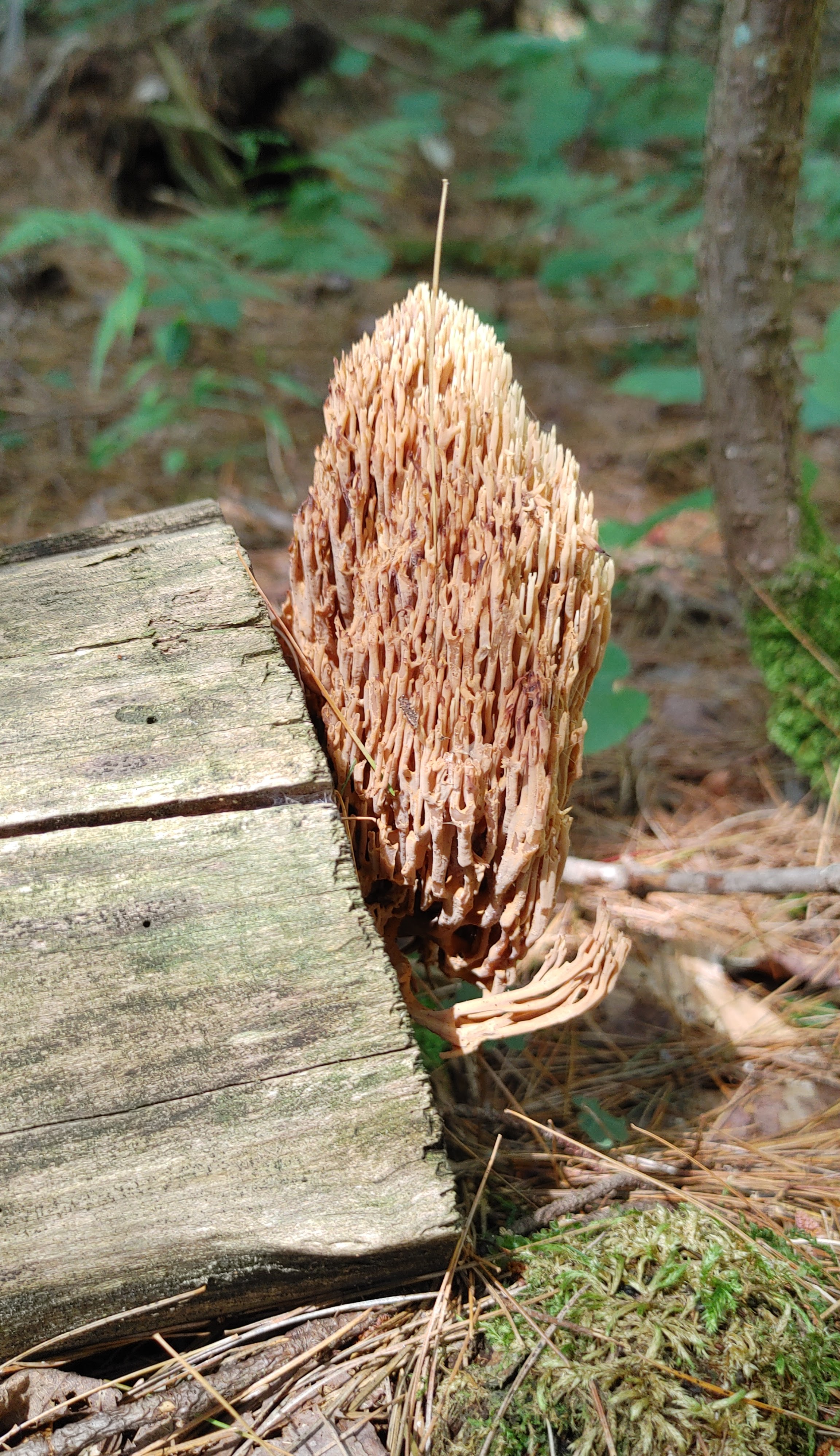
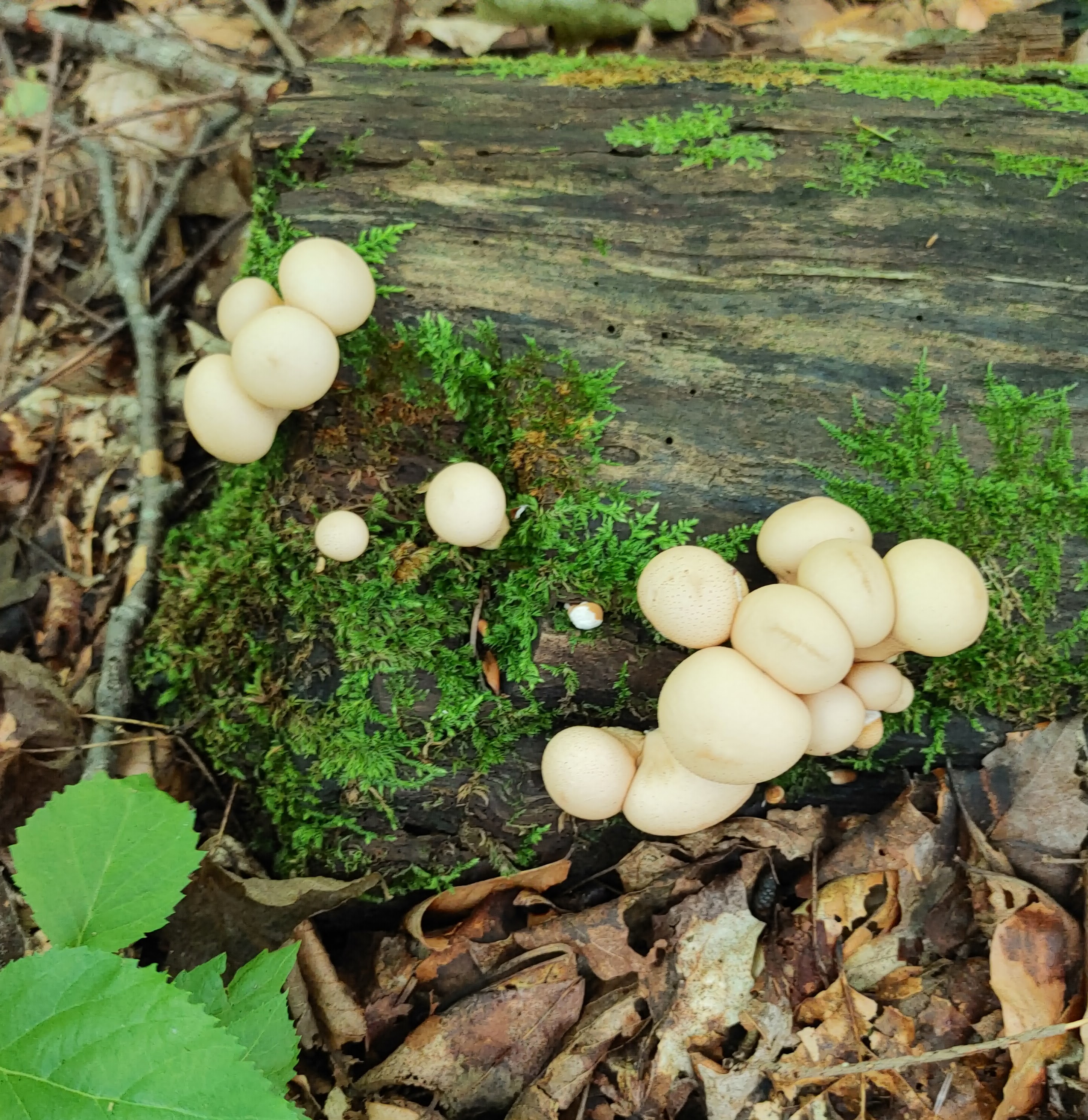
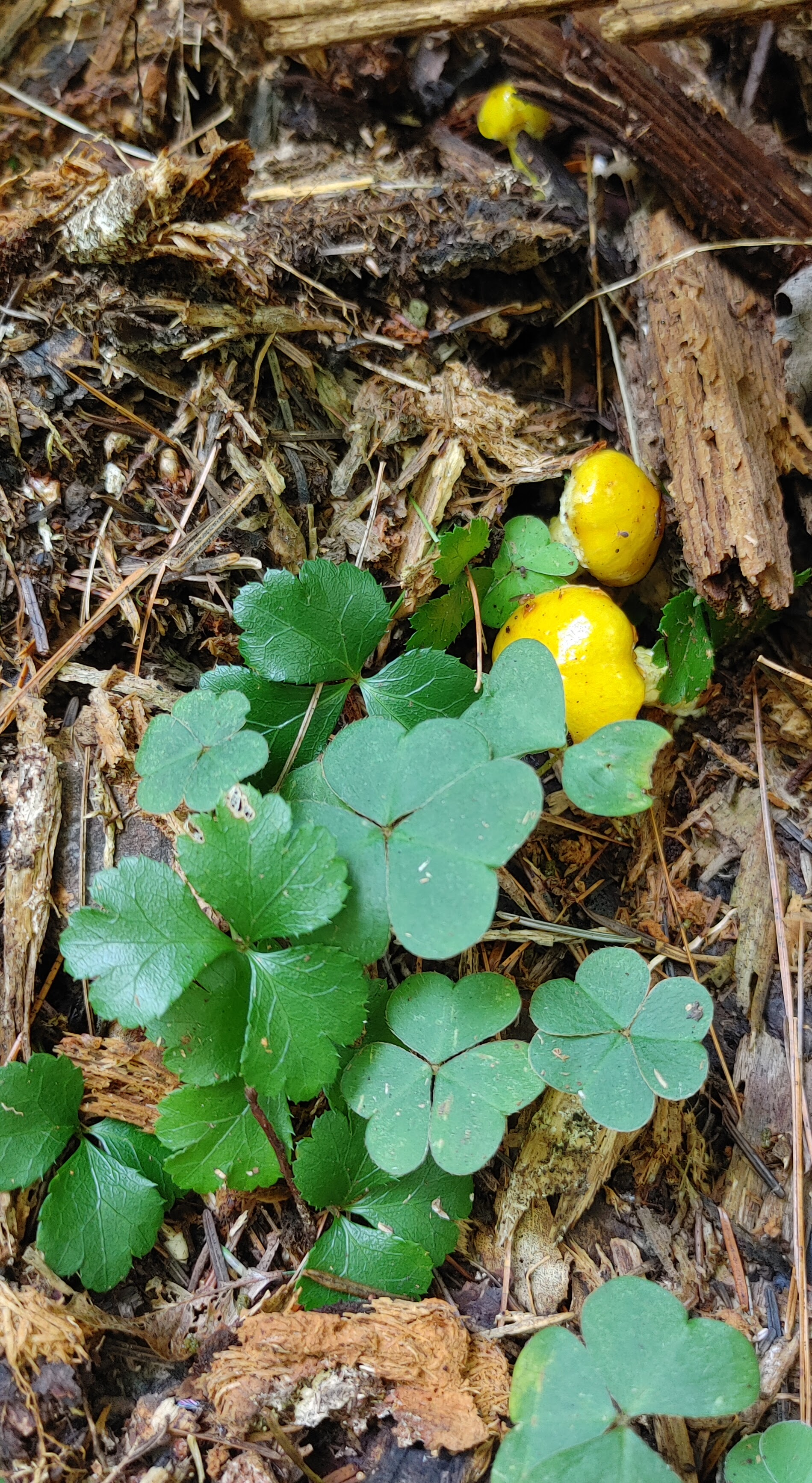
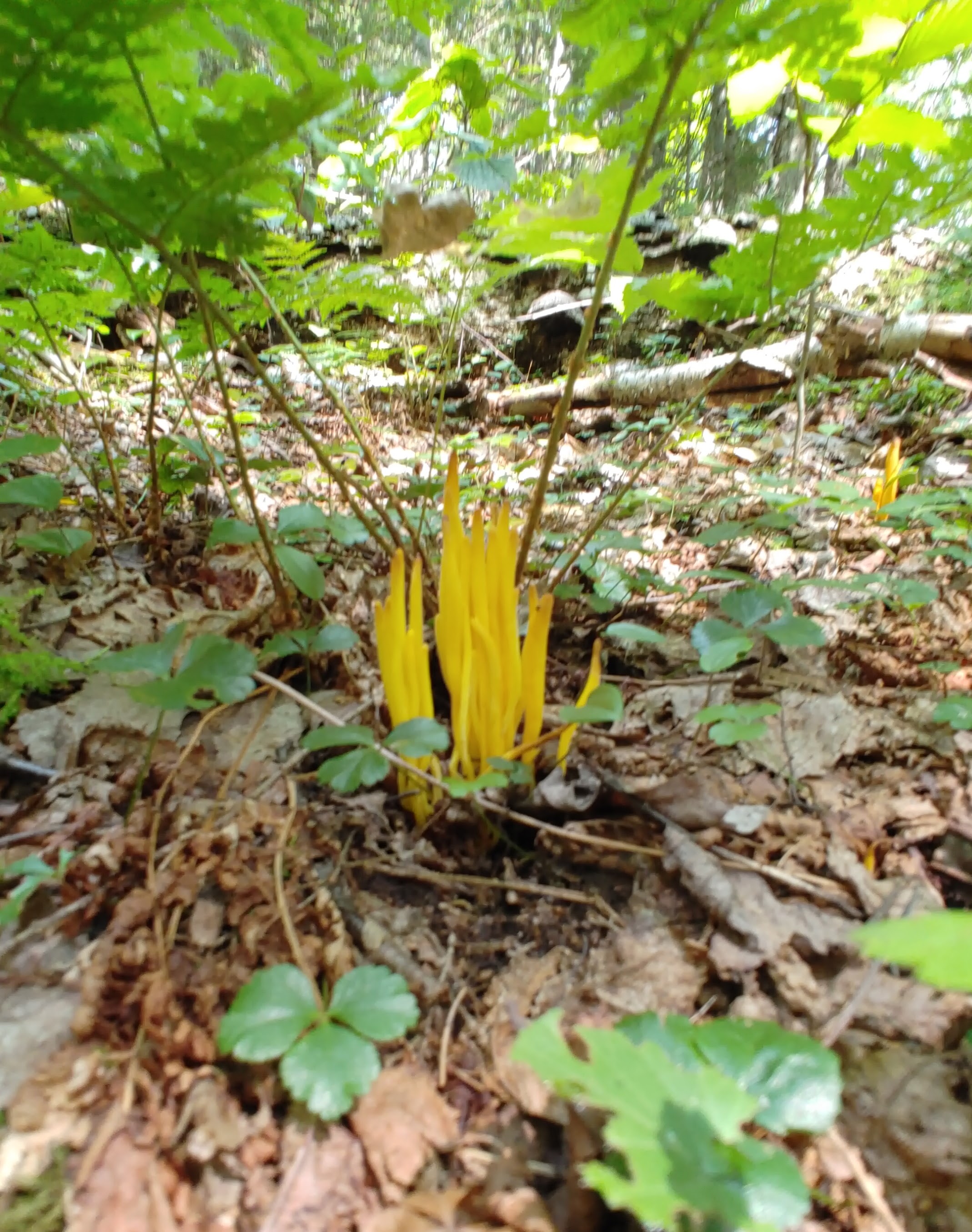
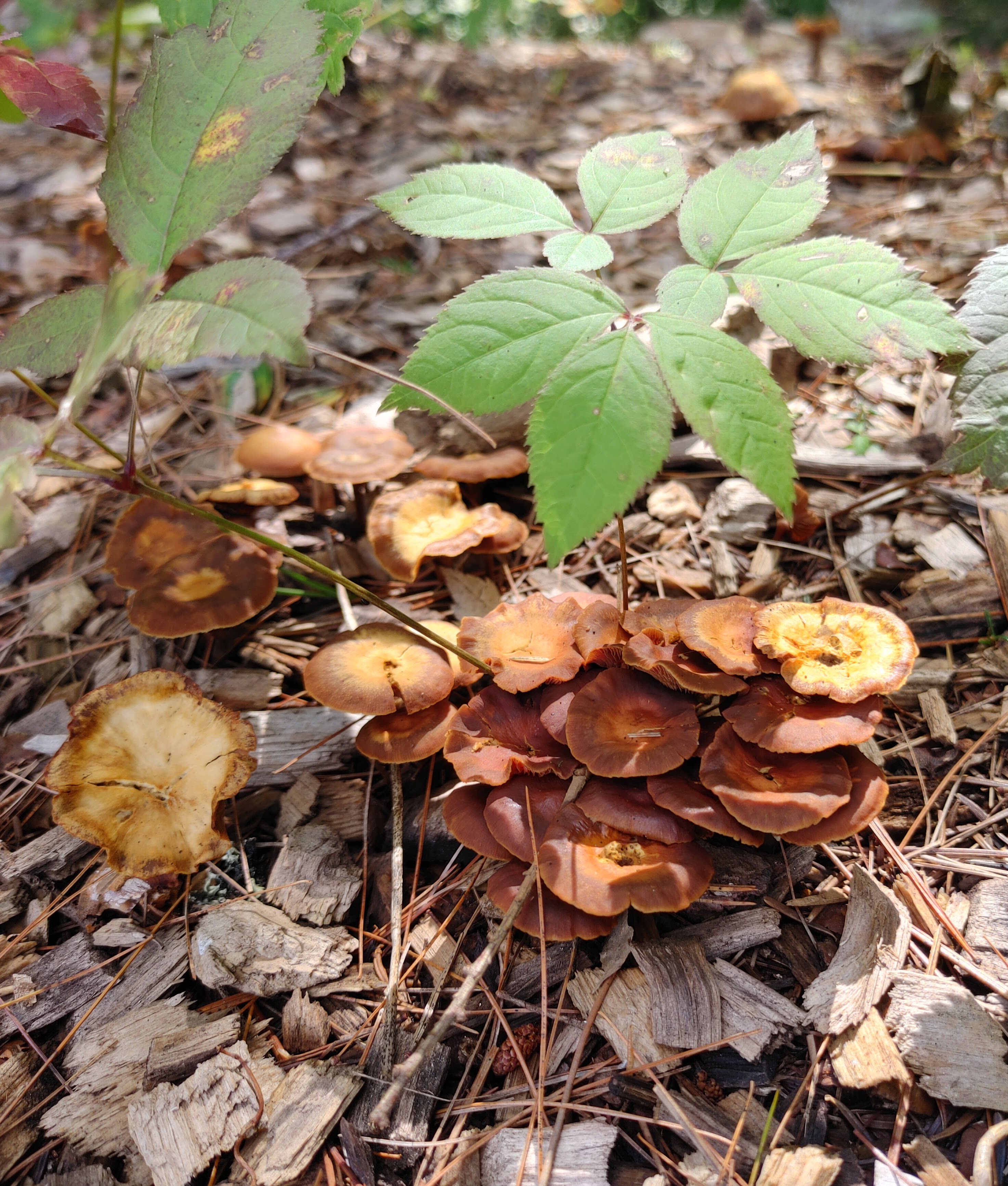
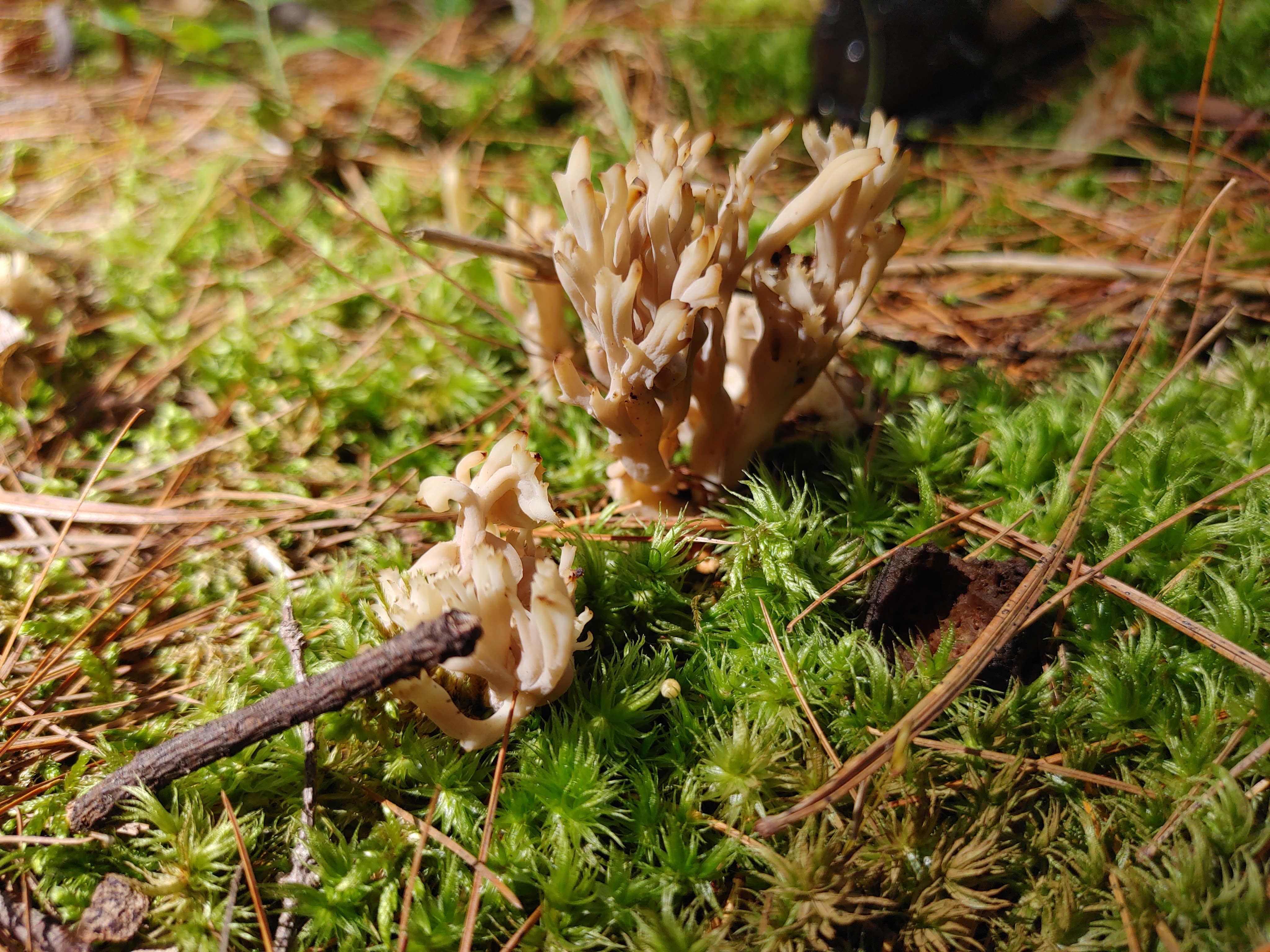
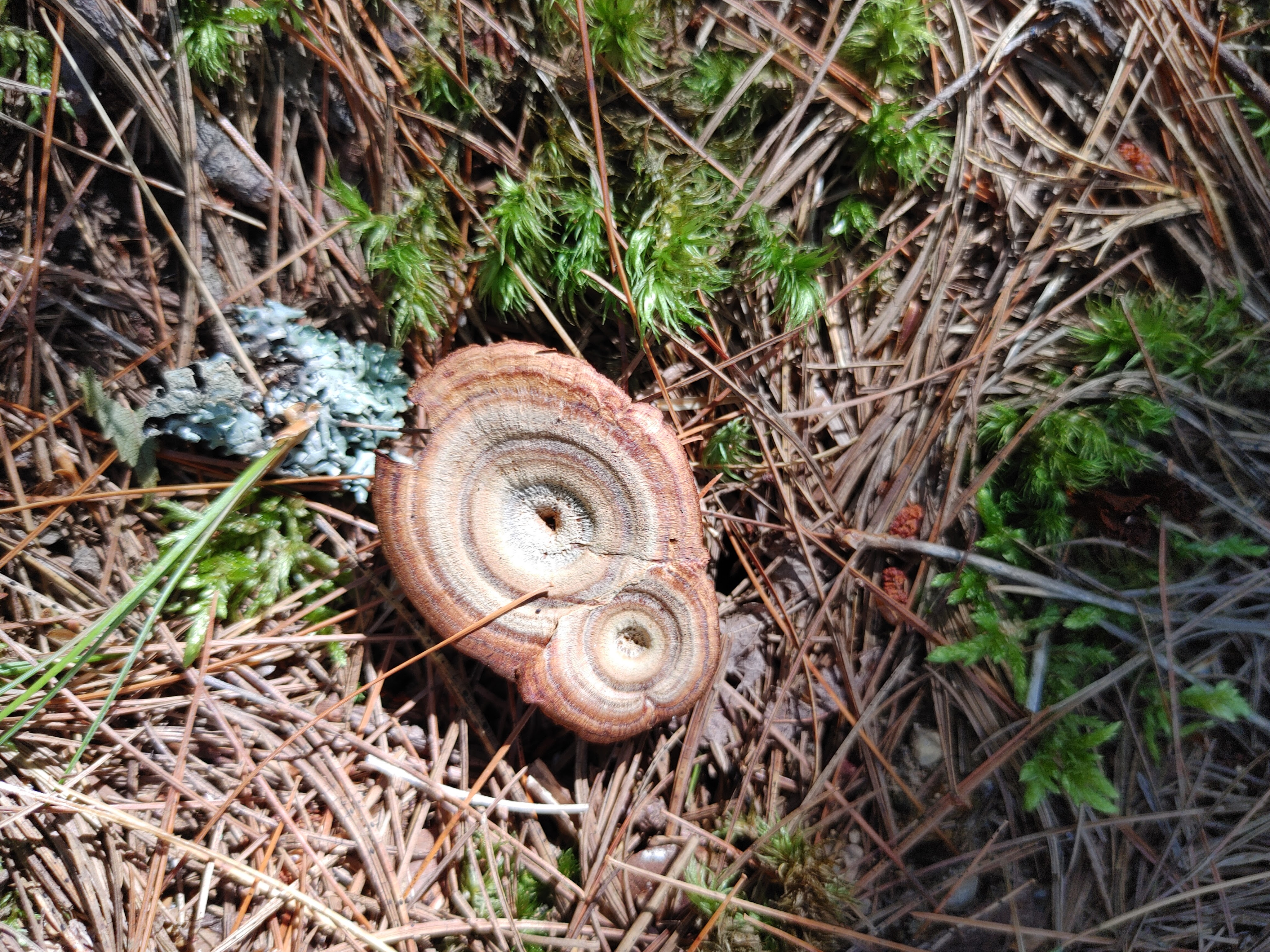
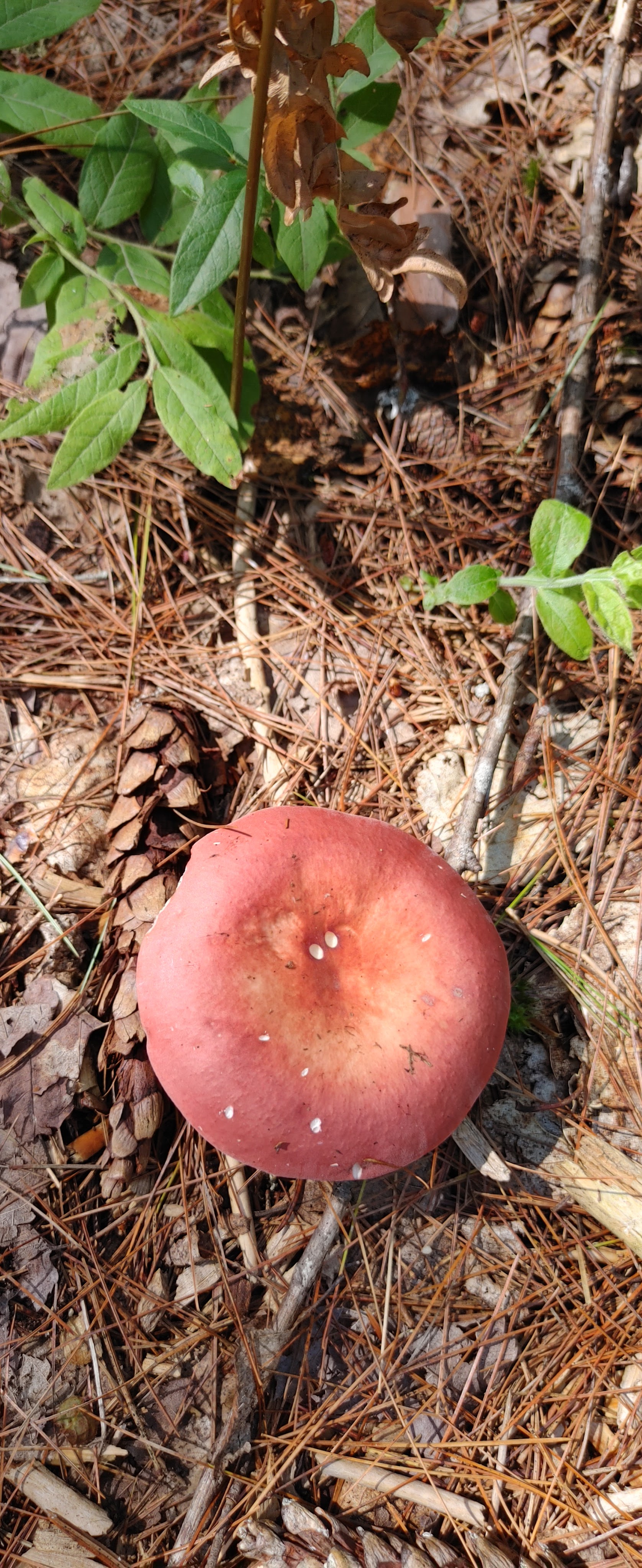
A wet July has made for an explosion of mushrooms. A walk in the woods can dazzle the eye with a bold assortment of mycelial life underfoot. According to Dianna Smith, a New Hampshire-based naturalist and mushroom enthusiast, mushrooms and trees have symbiotic relationships. Trees give mushrooms the sugars that they need to survive while mushrooms release valuable nutrients from the materials they decompose. The mushrooms that we spy along the trail are a bit like flowers, emerging from a vast underground network that has been compared to the Internet (aka the Wood-wide Web). This underlying mycelium can be long-lived and massive. A colony of Armillaria solidipes mushrooms in the Malheur National Forest of Eastern Oregon is believed to be 2,400 years old and spans an estimated 2,200 acres. I’m not sure how old or vast the mycelial network is here in the Adirondacks, but these trailside finds made for a fascinating walk. The heavens may sing the glory of God, but on a warm August day, so can the forest floor.


Mushrooms

by Sylvia Plath

Overnight, very
Whitely, discreetly,
Very quietly

Our toes, our noses
Take hold on the loam,
Acquire the air.

Nobody sees us,
Stops us, betrays us;
The small grains make room.

Soft fists insist on
Heaving the needles,
The leafy bedding,

Even the paving.
Our hammers, our rams,
Earless and eyeless,

Perfectly voiceless,
Widen the crannies,
Shoulder through holes. We

Diet on water,
On crumbs of shadow,
Bland-mannered, asking

Little or nothing.
So many of us!
So many of us!

We are shelves, we are
Tables, we are meek,
We are edible,

Nudgers and shovers
In spite of ourselves.
Our kind multiplies:

We shall by morning
Inherit the earth.
Our foot’s in the door.

from Sylvia Plath’s first collection: The Colossus and Other Poems, published by Vintage, New York (1998, ed.)

“Come Away”

Sabbath Day Thoughts — Genesis 2:1-3 and Mark 6:30-34

This message was shared at the Island Chapel, an ecumenical summer church on an island in Upper Saranac Lake.

Is anyone here on vacation today?  Is anyone retired, in that delightful, ongoing state of quasi-vacation?  Does anyone wish they were on vacation this morning?  We can all affirm the goodness of coming away to a quiet place to rest and renew.

When it comes to vacation destinations, the Adirondacks are about as good as it gets.  We love the cool evenings when the magic carpet of the Milky Way stretches across the night sky and the sleeping is good.  We delight in the clear waters, whether we take a skinny-dip, test our favorite fishing hole, or explore the back country in the kayak.  We rejoice in the mountains: the thrill of downhill skiing, the accomplishment of climbing the 46, the alpenglow of summits set ablaze by the last rays of the setting sun.

I have read that the American use of the word “vacation” derives from the Adirondacks.  The English go “on holiday,” but here in the states we “take vacations.”  In the 19th century, residents of New York City and Boston vacated their hot, urban homes for the cool splendor of the Adirondacks.  All that vacating coined the term vacation.  Take a look out the window.  Apart from the rain, it doesn’t get much better than this.

In our reading from Mark’s gospel, the disciples could have used an Adirondack getaway.  Jesus had entrusted them with his power and authority.  Then, he had sent them out in pairs, with meager resources, to minister to the villages of the Galilean countryside.  Their mission had been even more successful than their best hopes.  As they returned to Jesus, they told stories of sermons preached and prayers shared.  They talked about miracles worked.  The lame had walked.  Blind eyes had found sight.  Those troubled by oppressive spirits had found peace.  There was great rejoicing.

Yet as Jesus listened to his friends, he saw the need for rest.  They had been going flat-out for weeks now.  Their voices were shot.  They were sleep deprived.  They were beginning to get on one another’s nerves.  They couldn’t concentrate, and they weren’t making good decisions.  The crowds pursued them.  Longing for wholeness and healing, everyone wanted time with Jesus and his friends.  It was so frantic that they couldn’t eat or attend to their bodies or hear themselves think.

Jesus knew exactly what was needed.  He stopped his friends mid-story and said, “Come away with me to a quiet place and rest awhile.”  Then, Jesus stood up and invited them to follow him.  They walked down to the breakwater, climbed into the boat, cast off, and hoisted the sail.

We are all familiar with the toll that overwork and chronic busyness can take.  Science tells us that it effects our bodies.  Our stress level rises, increasing our heartrate and blood pressure.  Our bodies are flooded with the stress hormone cortisol which makes us ready to fight or flee and piles on the belly flat.  We are at increased risk for heart attack, diabetes, and stroke.  Our brains don’t work as well when we are work-weary and stressed out.  It’s hard to focus.  Our creativity and resourcefulness plummet.  It becomes difficult to make wise choices.  Our feelings can be on edge.  We are more likely to suffer from anxiety or depression.  It’s easy to cry or lose our cool and blow up.  Does any of this sound familiar?

To be whole and healthy people, we need vacation; we need rest.  In fact, time set apart, free from work, is an essential part of God’s plan for creation.  It’s right there in Genesis, in the foundational story of Judaism and Christianity.  God spent six days creating everything.  God launched the Big Bang and coalesced the stars and planets, shaped the continents and gathered the seas.  God coaxed life out of the raw material of God’s very self, jellyfish and blackflies, elephants, octopi, and corgis.  God brought humankind into being with the awareness of God and the task of caring for creation.  Then, as the crowning achievement of creation, God chose to rest, not because God was weary—we are talking about God here—but because it was right and fitting to have a day set apart to savor and delight and be.

This keeping of sabbath is echoed in the fourth commandment, “Remember the sabbath day—to keep it holy.”  Our sabbath rest honors God’s work in creation.  It reorients us and reminds us who is really the boss.  For Christians, our sabbath days and sabbatical times remind us that God creates and re-creates us.  The sabbath is the day of resurrection, a celebration of the new life we find in Jesus, who called himself the Lord of the Sabbath.  Bible scholar Walter Brueggemann teaches that when we enter into this intentional practice of observing sabbath and taking rest, we choose to participate in the tranquility of God.  We return to the foundational rhythm that God ordained in the structure of creation.  We live into the image of God in which we were made.

The science supports the scripture.  Times of rest restore us and make us healthier people.  All those critical numbers that shoot up with work-stress fall with rest.  Blood pressure, heart rate, cortisone levels, all drop.  Our brains function better.  In fact, the spontaneous activity of a rested brain can suddenly solve problems that we thought were impossible.  Our ability to concentrate is renewed.  Even our emotional health finds healing and new possibility.  Dr. Sarah Mednick, in her TED Talk “Give it Up for the Down State” says that the GDP would grow, businesses would thrive, and workers would be happier, healthier, and more productive if we incorporated more sabbath rest into our lives.  An ideal work week would feature an intense Monday-Tuesday, a Wednesday half-day with an afternoon of rest, and a busy Thursday-Friday, followed by weekend downtime.  Sign me up!

Finding time for a weekly day of sabbath or an afternoon of rest or a weeklong vacation isn’t always easy.  We think we are indispensable.  If we don’t do the work, who will?  We aren’t crazy about giving up control.  We find it hard to walk away.  In fact, most Americans do not take the vacation time that they are allotted.  I suspect that when Jesus called the disciples to come away, there were some foot-draggers.  They looked back, wishing they could heal one more leper.  They were afraid they would lose the direction of that killer sermon they were planning to preach.  But when we refuse to rest, we deny the sovereignty of God, we reject the example set for us in creation, and we do our world a disservice as our gifts are dimmed and diminished by the fatigue and impairment that come with stress and overwork.

I hope I have made my case about the importance of rest.  I also hope that your sabbath time includes some intentional God-time.  Sing a song of rejoicing for the lotus that rises from the mucky lake bottom to bless your paddle.  Take Jesus along on your trail walk.  Tell him all your troubles and thank him for sabbath.  Commune with God on the mountaintop, savoring the mystery and magic of the world spread out at your feet.  Go to church.  Every vacation, every rest, every time apart is an opportunity to be re-created in the hands of the ultimate Creator.

As I close, I’d like to return to Mark’s gospel.  The way Mark tells it, it doesn’t sound like the disciples got much rest.  They got in the boat.  They crossed over.  They found crowds of hurting people waiting on the other side.  But I did a little research.  If you have a favorable wind, sailing from Capernaum to the Gentile coast of the Decapolis takes a good six hours, longer if the winds are variable, longer still if you have calm.  That means the disciples had a whole day of sailing with Jesus.  How good would that be?  They soaked in the quiet.  They allowed the horizon to delight their eyes.  Peter relaxed at the tiller and allowed his mind to roam.  James and John stopped bickering.  Andrew threw in a line and caught dinner for everyone.  They all began to breathe with the rhythm of the breeze and the waves.  At some point they realized that it wasn’t just Jesus in the boat with them.  At one point, they knew that they were somehow sailing on, with, and into God.  Someone sang a doxology of rejoicing, thankful for the wholeness that is found when we come away and rest awhile with the Lord.  Amen.

Resources:

Thompson, Marjorie.  Soul Feast: An Invitation to the Spiritual Life. Louisville: Westminster John Knox Press, 1995.

Bryant, Robert A. “Exegetical Perspective on Mark 6:30-34, 53-56” in Feasting on the Word, Year B, vol. 3. Louisville: John Knox Press, 2009.

Hasel, Gerhard. “Sabbath” in The Anchor Bible Dictionary. New York: Doubleday, 1992.

Cherry, Heather. “The Benefits of Resting and How to Unplug in a Busy World” in Forbes Magazine, Jan. 15, 2021.  Accessed online at Forbes.com.

Mednick, Sara. “Give It Up for the Down State” in TEDx Talks, June 4, 2013.

Pyramid Lake Wilderness

The Playground

Zephaniah 3:14-20

“Sing, Daughter Zion;

    shout aloud, Israel!

Be glad and rejoice with all your heart,

    Daughter Jerusalem!

The Lord has taken away your punishment,

    he has turned back your enemy.

The Lord, the King of Israel, is with you;

    never again will you fear any harm.

On that day

    they will say to Jerusalem,

‘Do not fear, Zion;

    do not let your hands hang limp.

The Lord your God is with you,

    the Mighty Warrior who saves.

He will take great delight in you;

    in his love he will no longer rebuke you,

    but will rejoice over you with singing.’

I will remove from you

    all who mourn over the loss of your appointed festivals,

    which is a burden and reproach for you.

At that time I will deal

    with all who oppressed you.

I will rescue the lame;

    I will gather the exiles.

I will give them praise and honor

    in every land where they have suffered shame.

At that time I will gather you;

    at that time I will bring you home.

I will give you honor and praise

    among all the peoples of the earth

when I restore your fortunes

    before your very eyes,” says the Lord.


Playground.  That word may evoke a swirl of memories: the first time you braved the slide, the creaking of the swing set as you pumped your legs in pursuit of altitude, the bone-jarring thump of the teeter-totter when your friend dismounted and you plummeted earthward.  A number of years ago, I did community organizing in a hard-hit, diverse community.  The playground spoke volumes about the marginal status of the community and its people.  Seats were missing from the swings.  Plastic horses had been stripped from the toddler rides, leaving behind sharp springs, rising up from cracked blacktop like a curious and dangerous crop.  Hypodermic needles lurked beneath the slide.  I never saw a child play there.  Nowadays, I live just a few blocks away from a newly refurbished neighborhood park.  Mornings might find young mothers parked on the benches, scrolling through social media feeds while their wee ones explore.  Evenings welcome teens for pick-up basketball, shirts against skins, trash talk flying.

In her meditations on the twelve months of the year may i have this dance, Joyce Rupp suggests that July is the playground of God.  Adirondackers might be inclined to agree.  Hummingbirds hover in the garden, sipping nectar, bickering at the feeder, competing for sugar water.  Fawns rise up on feeble legs to follow their mothers.  They nurse, tails wagging with joy, like puppies.  The cat sits on the screened porch, singing a throaty song to the birds outside and dreaming of the mischief that could be had if the door were left ajar.  People get playful.  They hike mountains to savor the view from the summit.  They paddle canoes amid water lilies, hearts jumping at the slap of a beaver tail.  If July is God’s playground, then we are all-in.  All of creation—the two-leggeds, the four-leggeds, the finned, the feathery, the slithery—plays, delights, and rejoices in the goodness that is all around.

Have you ever thought what God might do on a playground—or what might inspire God to delight and rejoice like a child in Legoland?  The Prophet Zephaniah invites us to imagine God singing and rejoicing over us.  It’s right there in Zeph. 3:17, “The Lord your God is in your midst, a warrior who gives victory; God will rejoice over you with gladness, he will renew you in his love; he will rejoice over you with loud singing.”  A different translation of verse seventeen puts it this way, “God will rejoice over you with happy song . . .  God will dance with shouts of joy for you as on a day of festival.”  Picture that.

When Zephaniah wrote those words, the Israelites didn’t have much to celebrate.  In the early days of the reign of King Josiah (640-609 BCE), before the king grew up and enacted reform, violence and corruption were rife.  Justice was sold to the highest bidder.  The widow and orphan hungered.  False gods were worshipped in hilltop shrines.  Indeed, for three and a half chapters Zephaniah’s word of the Lord imparts a blistering tongue-lashing for a people who have lost their moral center.  It hardly sounds like a day in the park—or on the playground.  Yet God holds out hope for the people, the promise of the coming day when holy judgment will end, enemies will be turned away, and the disaster we seem hellbent on making will be averted.

It’s a paradox.  We get things so wrong, and yet we are beloved and deserving of celebration and delight.  It’s the truth proclaimed by Jesus.  When Jesus told Zephaniah’s story, he described a son who treated his father as if he were as good as dead.  After debasing himself in a profligate life, the son decided to try his luck with the father again—perhaps out of self-interest, perhaps in remorse.  When the prodigal got within sight of home, he saw his father running down the road, tunic hitched up, legs flailing, a dust cloud in his wake.  The lost son was welcomed, with hugs and tears and great rejoicing.  In the party that followed, we can imagine the loud singing and the joyous dancing.  Even so, God sings and dances over you.  How good is that?

In an Adirondack summer, it is easy to imagine God singing and dancing in creation.  Those raspberry sunsets are like celestial fireworks.  The flowers shimmy on the verge in the morning breeze.  Waves driven by the wind send whitecaps to rush your boat toward shore.  The drama of a thunderstorm ignites the night and rattles the window panes.  It’s a sensational, dazzling, sensory overload of a playground out there.  In the midst of it, God sings and dances over us, delighting in us, simply because we are her children – in all our beauty, in all our frailty.  She sure can throw a party.  Let’s get out there on the playground and celebrate.  Thanks be to God.


“The Playground of God”

by Joyce Rupp

“If I could share my treasures with you

I would constantly send you blessings

from the depths and beauty of each day.

I would seal your smile with sunshine;

I would leaf your walk of life

with the tenderest of greens

and the deepest of autumns.

I would catch at least three rainbows,

and set a seagull on each one

to sail you constant hellos

from the heart of the Transcendent.

I would whisper wonderings

from silent nooks of mountain tops

and the humming heart of the sea.

I would call for the deer

and all the tender animals

to run with you in happiness.

I would ask each tree

in her most majestic mood

to cover you with constant care.

I would breeze in billowy clouds

to share their rainy wanderings

when you need to feel washed new.

I would take you by the hand

and hold your heart near mine,

to let you hear the constant love

bounding forth from me.

and most of all

I would join my heart with yours

and have you share the path of love

that God has caused and carved

in the shadows of my soul.”

Rupp, Joyce. may i have this dance? Notre Dame: Ave Maria Press, 1992, 2007.

Photo by Alexandr Podvalny on Pexels.com