The Healing Trees

Sabbath Day Thoughts — “The Healing Trees” Ezekiel 47:6b-12 and Revelation 22:1-5

The Fortingall yew is the oldest tree in Scotland, and perhaps all of Europe. At 5,000 years old, the tree was already ancient when the Prophet Ezekiel languished in exile in Babylon and Jesus strode out of Galilee and shook things up in the Jerusalem Temple. The tree has long been considered a sacred place. Druids once worshipped beneath its branches. In the seventh century, Colomba sent monks from the Isle of Iona to preach the gospel in its shadow. In the 19th century, Presbyterians built a church there and have been caretaking the tree ever since. If you visit today, you’ll find that the Fortingall yew has been enclosed behind a stone wall for its own protection. Visitors, looking to capitalize on the tree’s longevity and notoriety, like to cut off large branches and pieces of the trunk to carve drinking-cups and other curiosities.

If you are looking to visit old trees closer to home, you could come with me to the Elder Grove in Paul Smiths. The trail is intentionally unmarked. Up a hill, under a power line, and through dense woodland, your boots rattle through inches of leaf litter and debris. The fifty or so Eastern White Pines of the Elder Grove germinated around 1665 when a fire or windstorm cleared the area and allowed the pines to out-compete other trees. Visiting the Elder Grove feels like an otherworldly pilgrimage. To be surrounded by those aging giants is a journey back in time to the virgin wilderness of pre-colonial America. It’s a master class in the epic scale of creation, taught by none other than the great Creator.

In our readings from Ezekiel and Revelation, God spoke through the prophets, revealing future plans for a renewed creation. The new Jerusalem descends from above as God Almighty comes to us. Heaven and earth become one, and all creation is renewed. It’s a return to the primeval paradise of Eden—with trees front and center. Fed by the river of the water of life, the trees bear fruit that will satisfy our deepest hunger and leaves that will bring healing to the nations. People of every ethnicity, speaking every language, representing every country will dwell together in peace and wholeness before the throne of God and the lamb.

It’s a beautiful vision granted to faithful people in times of crisis. When God spoke to the Prophet Ezekiel, he was in Babylon. Once a priest serving in the Jerusalem Temple, Ezekiel accompanied his people into exile. The Promised Land was lost, the Temple destroyed, their best hopes for tomorrow dashed. Similarly, when God spoke to John of Patmos, the seven churches of the Revelation teetered on the brink of extinction. Rejected and expelled by their Jewish kinfolk, persecuted by the Roman Empire, mistrusted by their pagan neighbors, those first Christians sought to hold fast to their faith despite hardship. They needed a Word from God. When things seem at their worst, God holds out a hopeful vision to God’s people and invites them to dream of that better tomorrow.

Dendrologists, scientists who study trees, affirm the healing power of trees that was promised by the prophets. Our forests are the great lungs of the earth. While we breathe in oxygen and breathe out carbon dioxide, God in God’s infinite wisdom created trees to breathe in carbon dioxide and breathe out oxygen. Trees are also natural air filters that absorb pollutants. Every year, US trees remove 17.4 million tons of pollutants from the air. Trees play a crucial role in preventing soil erosion, water pollution, and flooding. A single large tree can lift 100 gallons of water from the ground and discharge it into the air in just one day. Time in the woods has a big impact on our physical and mental well-being, too—reducing stress, lifting mood, and giving our immune system a boost.

Old growth forests, like the remnant of the Elder Grove, have a unique role to play in the help and healing of our world. A single old growth tree with deeply fissured bark, hollow cavities, dead branches, massive crown, and vast subterranean root system may harbor up to 2,300 species—plants, animals, birds, insects, fungi, mosses, lichen, and more. Those old trees play a key role in stemming climate change. They are far superior to second growth forests at storing carbon, sequestering it over centuries in massive trunks, branches, and roots. Old growth stands actually create their own microclimate where shade and cooler temperatures provide refuge for animals and plants in a warming world. The leaves of the trees are, indeed, for healing.

Dendrologists tell us that only one percent of the old growth forests in the eastern US remain. In the west, about five percent persist. Worldwide, only one-third of our virgin forests have escaped logging. Trees may be a renewable resource, but science shows that second-growth forests will take centuries to develop the carbon storage capacity of their elders. Young forests are more vulnerable to invasive pests and disease, like the Hemlock woolly adelgid, emerald ash borer, and beech-scale insect that plague our Adirondack woods. The science shows that climate change is having a disproportionate effect on our northern forests, with temperatures rising here much faster than the global average. Reduced snow cover, increases in extreme weather, and rising average temperatures are putting our forests at increased risk. The frequency and extent of forest fires have been higher in recent years than in any time in the last 10,000 years. The leaves of the trees may be for healing, but they face unprecedented challenge in a warming world.

When things seem at their worst, God holds out a hopeful vision to God’s people and invites them to dream of that better tomorrow. Botanists use the term refugia to describe the little pockets of plants and animals that repopulate areas after big changes in the environment, like after the last ice age when the glaciers receded and remaining animal and plant populations surged to fill new territory. In a warming world, those areas of refugia will be found in places like the Adirondacks, where the northern slopes of mountains and remnants of old growth forests will preserve habitat for threatened ecosystems. The possibility of a healed world on the far side of the climate crisis is right here. Like Ezekiel and John of Patmos, we are in the right place at the right time to speak God’s hopeful vision to the world.

We also have a role to play in safe-guarding and preserving those remnant places from which renewed life will spring to heal the planet. In her book Refugia Faith: Seeking Hidden Shelters, Ordinary Wonders, and the Healing of the Earth, professor, author, and speaker Debra Rienstra teaches that, in an age of climate change, Christians are called to be a refugia. Our churches are to be welcoming places that provide “life giving nourishment,” the spiritual water that can sustain us and allow us to thrive amid change. Together, we can lean into that vision of the Kingdom that God shared with Ezekiel and John the Revelator, the vision of a creation where the waters flow in abundance, the forests thrive, and the world is healed. As we lean into that vision, we can trust that God will be in our midst, working through community and inspiring our dreams. We are called to be a people and place of refuge in a warming world.

What does a refugia church look like? We put on the orange vests and do highway clean-up. We gather to read and reflect in the Earth Care Book Group. We improve the energy footprint of our building. We raise funds and awareness to protect our waterways through the Earth Care Coffee House. We get outdoors with picnics and Sermons on the Trail and paddles. We stand in places like the Elder Grove with awe and gratitude for God the Creator and Jesus Christ through whom all things came into being. Will you be a place of refuge with me?

Earlier this year, we had good news for our old growth forests. It has long been the common belief that perhaps only 50,000 acres of our 6.1-million-acre park have not been logged. But new researched, supported by a $1.3 million study by New York state, suggests that those numbers are wrong. We have more old growth trees, more refugia, than we thought—perhaps as many as 270,000 to 440,000 acres of forest that, like the Elder Grove, are hidden in plain sight. The study documented 500-year-old red spruce and eastern hemlocks, 400-year-old sugar maples and yellow birches, and forests with five species of trees older than 300 years. Much of that old growth remnant is in our backyard, like the woods around Polliwog Pond near Fish Creek Campground. That’s good news for us, our forests, and our efforts to mitigate climate change.

When things seem at their worst, God holds out a hopeful vision to God’s people and invites them to dream of that better tomorrow. Let’s dream together as a people and place of refuge.

Resources

Ella McKendrick. “The Fortingall Yew: A Complete Visitor’s Guide” June 4, 2025. Accessed online at https://ellamckendrick.com/fortingall-yew/

Amy Feiereisel. “Inside the 350-year-old ‘Elder Grove’ of Paul Smiths,” Sept. 1, 2023. Accessed online at https://www.northcountrypublicradio.org/news/story/48366/20230901/inside-the-350-year-old-elder-grove-of-paul-smiths

Dalia Kellou, Alexander Nauels, Uta Klönne. “Climate impacts in northern forests” in Climate Analytics, March 21, 2024. Accessed online at https://climateanalytics.org/publications/climate-impacts-in-northern-forests

Mike Lynch. “Study reveals 400K acres of old growth forest, hiding in plain sight” in Adirondack Explorer, March 15, 2026. Accessed online at https://www.adirondackexplorer.org/environment/natural-history/adirondack-old-growth-forest-in-the-adirondacks-more-than-expected/

Steven Bouma-Prediger. “The Leaves of the Trees Are for the Healing of the Nations,” in Reformed Journal, April 5, 2020.

Debra Rienstra, “Little Pockets: Refugia Basics” in Reformed Journal, August 17, 2019.

Melinda Baker. “Old Growth Forests nd Large Old Trees as Critical Organisms Connecting Ecosystems and Human Health” in Springer Nature, Jan. 5, 2022.

Chad Rimmer, Carol Marples, Pauline Mumia & Johanan Celine Valeriano. “Living Waters: Season of Creation 2026” in Season of Creation, Fall 2026.

Debra Rienstra. Refugia Faith: Seeking Hidden Shelters, Ordinary Wonders, and the Healing of the Earth, Tantor Media, 2022.


Ezekiel 47:6b-12

Then he led me back along the bank of the river. 7 As I came back, I saw on the bank of the river a great many trees on the one side and on the other. 8 He said to me, “This water flows toward the eastern region and goes down into the Arabah, and when it enters the sea, the sea of stagnant waters, the water will become fresh. 9 Wherever the river goes, every living creature that swarms will live, and there will be very many fish once these waters reach there. It will become fresh, and everything will live where the river goes. 10 People will stand fishing beside the sea from En-gedi to En-eglaim; it will be a place for the spreading of nets; its fish will be of a great many kinds, like the fish of the Great Sea. 11 But its swamps and marshes will not become fresh; they are to be left for salt. 12 On the banks, on both sides of the river, there will grow all kinds of trees for food. Their leaves will not wither nor their fruit fail, but they will bear fresh fruit every month, because the water for them flows from the sanctuary. Their fruit will be for food and their leaves for healing.”

Revelation 22:1-5

Then the angel showed me the river of the water of life, bright as crystal, flowing from the throne of God and of the Lamb 2 through the middle of the street of the city. On either side of the river is the tree of life with its twelve kinds of fruit, producing its fruit each month, and the leaves of the tree are for the healing of the nations. 3 Nothing accursed will be found there any more. But the throne of God and of the Lamb will be in it, and his servants will worship him; 4 they will see his face, and his name will be on their foreheads. 5 And there will be no more night; they need no light of lamp or sun, for the Lord God will be their light, and they will reign forever and ever.
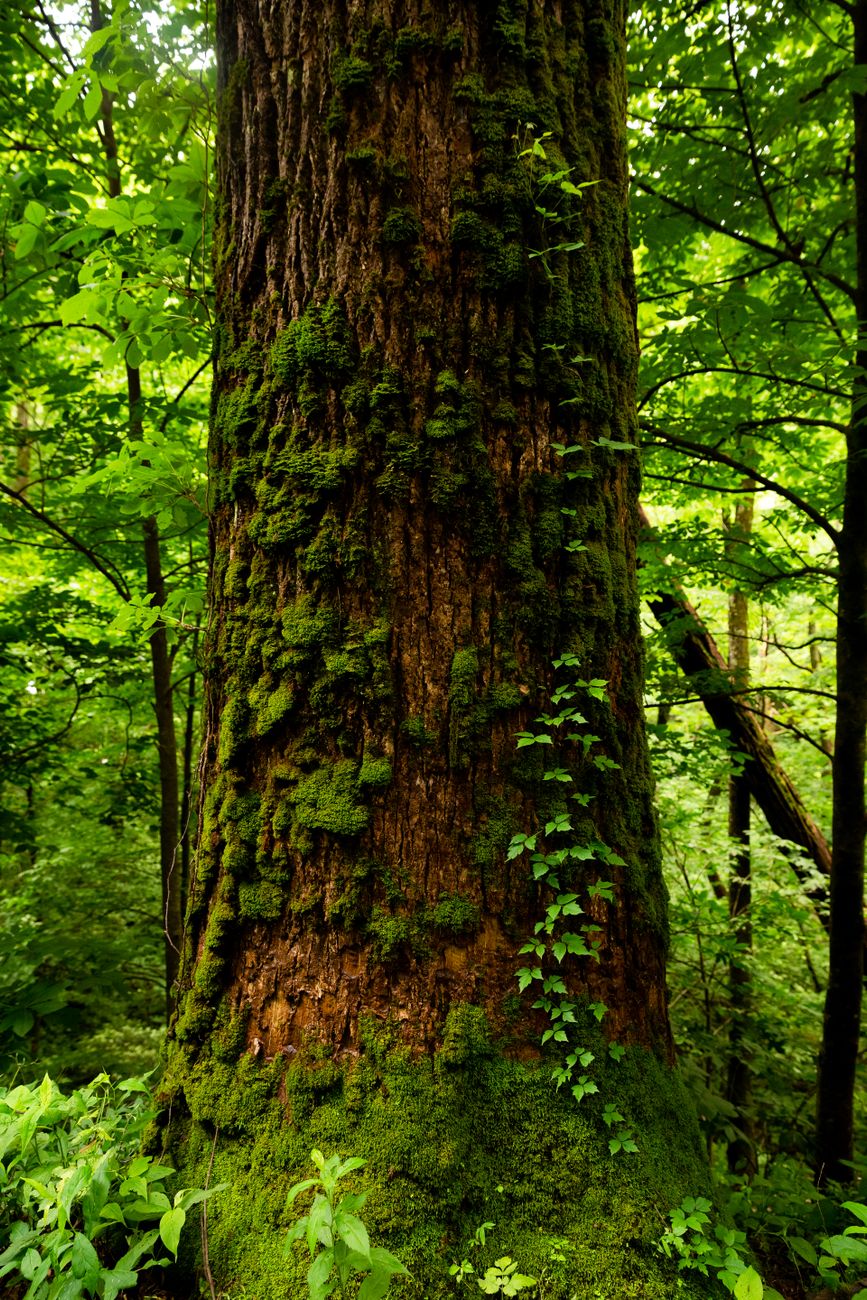
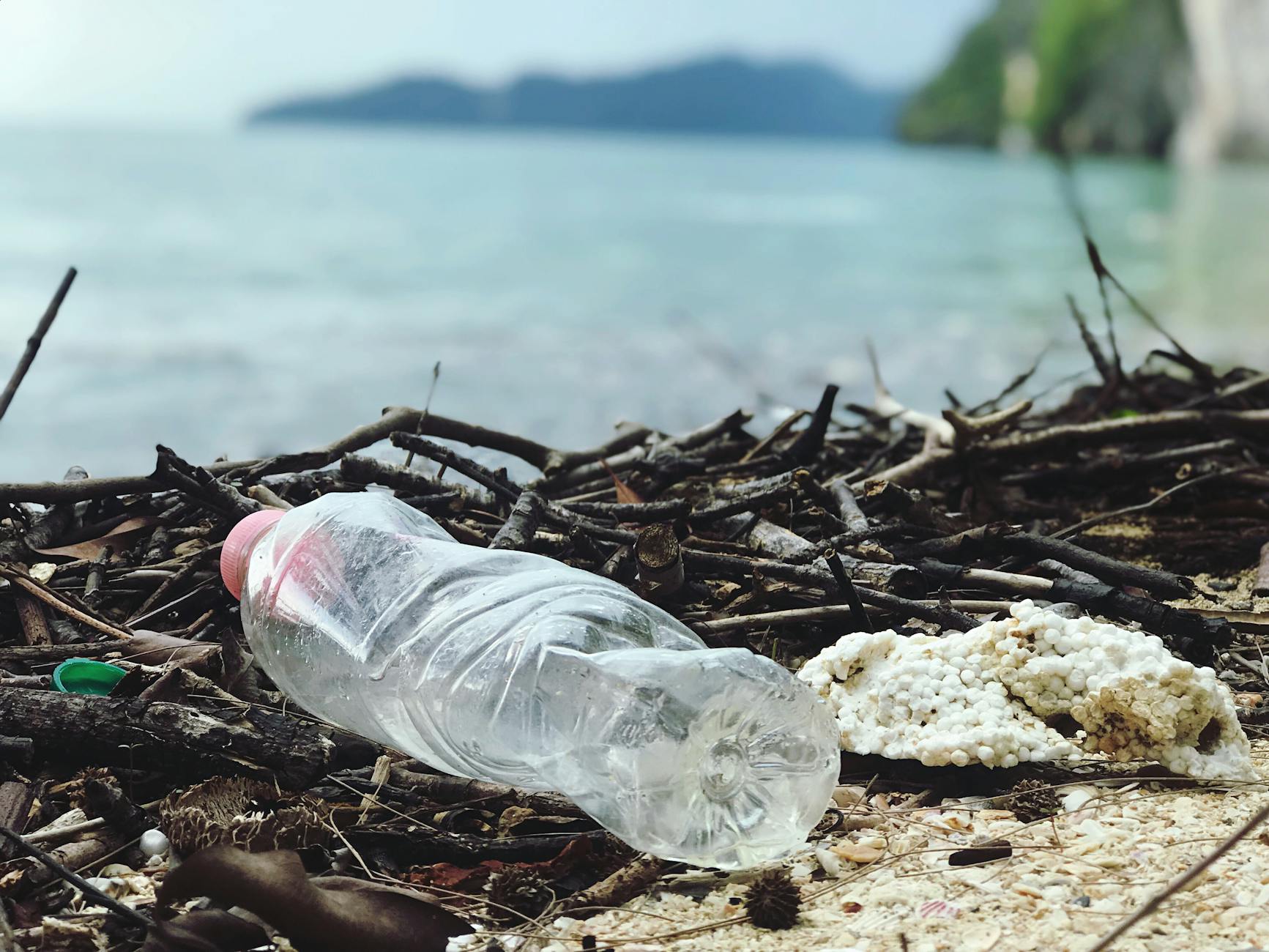
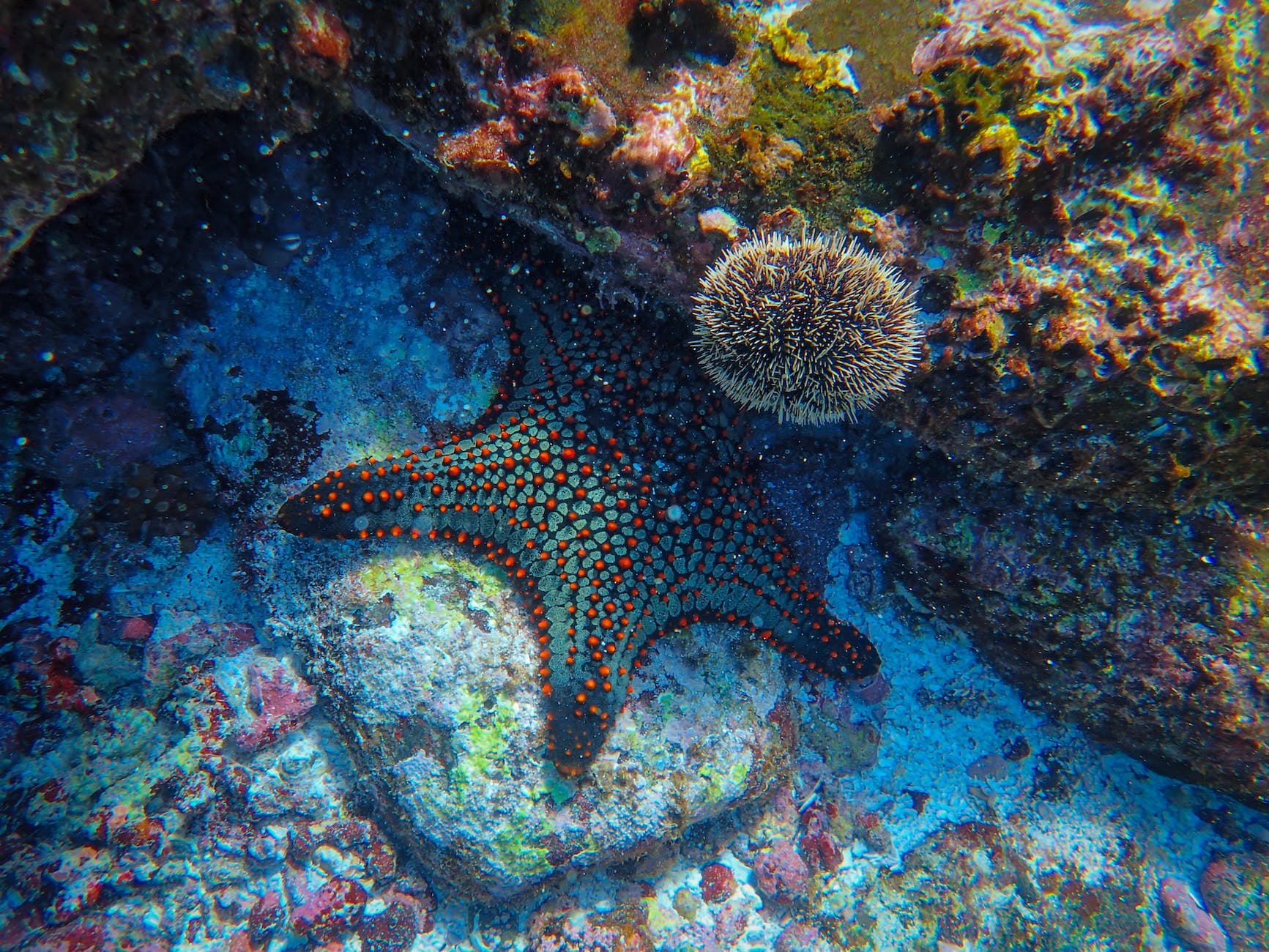
Photo by Mikhael Mayim on Pexels.com

True Abundance

Sabbath Day Thoughts — “True Abundance” John 10: 7-10

Plastic is perhaps the greatest pollution threat to our planet. In the past fifty years, it has become the primary material used in our packaging industry, replacing paper, cardboard, metal, and glass. One million plastic water bottles are purchased every minute worldwide. Five trillion plastic bags are used each year. 460 million tons of plastic are produced annually, and that production is anticipated to increase by one-third in the next five years.

Plastic is an environmental threat. Whether we bury plastic in landfills or dump it untreated into our waters, plastic is slow to biodegrade, taking twenty to five hundred years to decompose. A plastic bag buried in a landfill is estimated to take 1,000 years to breakdown. There is an estimated 75 to 199 million tons of plastic waste currently in our oceans, with a further 33 billion pounds of plastic entering the marine environment every single year. Ocean wildlife mistake plastic waste for prey. Unable to digest the plastic they eat, fish, turtles, and birds suffer internal injuries and starvation. A sperm whale that washed up at the Wakatobi National Park in Indonesia in December 2018 had more than a thousand pieces of plastic in its stomach.

When plastic biodegrades, it lingers in the environment as microplastics—tiny plastic particles less than five millimeters in size that make their way into water, farmland, and the food we eat. Studies have found that our personal annual consumption of microplastics is equivalent to eating 50 plastic bags per year or one credit card each week. The chemicals in these microplastics are linked to a bevy of health concerns, like reproductive problems, obesity, organ disease, developmental delays in children, and chronic inflammation.

Plastics sure are convenient. Just about everything—our breakfast yogurt, laundry detergent, shower gel, and ice cream—is neatly and durable packaged. But our dependence upon plastic is a problem for the planet, perilous to wildlife, and bad for our health. It’s a twenty-first century problem, yet I like to think that on this Care for Creation Sunday Jesus might have some first century wisdom to help us rethink our relationship with plastic.

In our reading from John’s gospel, Jesus characterized himself as the “good shepherd,” drawing upon a key metaphor from the Hebrew Bible. In Ezekiel 34, evil and corrupt kings were characterized as bad shepherds of the people, who ruled with force and harshness, scattering and destroying the flock. God promised to rescue the flock of Israel from their evil rulers. God would be Israel’s good shepherd. God would seek the lost, gather the scattered, and feed the people on rich pasture.

Jesus had seen some bad shepherding for the people of Israel. Herod Antipas, Herod Philip, and Pontius were all Roman appointed rulers. Their mission was to collect taxes to fill the emperor’s treasury and put down any whiff of rebellion. Instead of shepherding the people, they exploited them to line their own pockets and ensure their position and power. Even the chief priest in the temple was a Roman appointee, part of an elite class religious professionals who had controlled the worship life of Israel since the Roman invasion.

Jesus saw the suffering of his people at the hands of bad shepherds and longed to fulfill God’s plan to shepherd them. Jesus promised his friends “abundant” life. The Greek word that Jesus used for abundant is perisson. It means a life that is more, a life that is over and above what we have come to expect. An abundant life provides enough to meet our needs. Think of Jesus feeding the multitudes, welcoming outsiders, and healing the sick. Jesus’ abundance surpassed this, not in ways that would grant political power or bring fabulous wealth. Jesus wanted his followers to find more life, eternal life, in his Father’s Kingdom, a life that could not be bound by time or space or even death. Abundant life is blessed now as we live a balanced life with love for God and neighbor. Abundant life is blessed eternally as we anticipate that far brighter light on that far better shore. Abundant life is found in Christ the good shepherd.

One of the great challenges that we face in our world today is that we have forgotten what true abundance looks like. Jessica Maudlin, who heads the PCUSA’s Earth Care Congregations initiative and resources the ecumenical thinktank Creation Justice Ministries, cautions that we confuse true abundance with excess, with acquiring more stuff than we will ever use and consuming more than our world can sustain. Our excess is an idolatry that lulls us into thinking that we save ourselves when only God can do that. Our excess threatens the planet that has been entrusted to our care. Our excess is a failure to love our neighbors to come—the generations who must live with the legacy of what our excess leaves behind.

On this Care for Creation Sunday, Jesus might invite us to be reoriented, to trade our excess for his true abundance. It may not be easy. We begin by affirming that Jesus is our good shepherd, who has provided for us the blueprint for true abundance. As we rely upon the Lord instead of ourselves, we learn to shift our priorities from acquiring more and stockpiling excess to ensuring that there is enough for ourselves, our neighbors, and the wild world around us. We can follow Jesus by becoming better shepherds of our resources, so that the abundant life promised by the Lord is a promise for the planet and for generations to come.

I want to circle back to all those concerning facts about plastics that I mentioned at the start of this message because I think it’s a place where we need to—and can—make a difference. We can begin by reducing our plastic consumption. If you google the words “plastic footprint calculator,” you’ll find some useful web-based tools that will help you track how much plastic you use each year and guide you in thinking about ways to use less. Check it out. We can also purchase the new generation of bioplastics. Made from corn or bamboo, bioplastics are a little pricey, but they compost and biodegrade easily in landfills.

We can also move away from single-use plastics by reusing. Carry a water bottle or a reuseable coffee cup. Remember to keep a stash of cloth shopping bags in your car. Invest in a durable stainless-steel straw and skip the plastic straws used in convenience stores. Bring your own containers for leftovers when you dine out.

We can get better about recycling. Only 14% of plastics get recycled. You know what happens to the other 86%. Look for a trash service that recycles. Sort it yourself and make sure you get everything in the right receptacles at the transfer station. Did you know that you can now recycle plastic bags and wraps locally? The Women’s Civic Chamber is collecting clean, dry plastic bags. Partnering with Trex, a company that makes composite decking, they’ll turn our bags and wrappers into park benches. You can donate yours at collection bins at Nori’s, Woods and Waters, Kinney Drugs, and Harrietstown Town Hall. They started this in May and have already collected enough plastic—1,000 pounds—to make the first bench. Trex reclaims about a billion pounds of plastic each year.

We can also try removing the plastics that we find. Take a bag along on your neighborhood walk and pick up the trash. This morning as I took Gybi around the block, I picked up: a chip bag, a wrapper for Chips Ahoy, a single-use water bottle, a big bottle for Arnold Palmer (aka iced tea mixed with lemonade), a zip lock bag, a candy dispenser, and a plastic mini-basketball—and there were two plastic bags filled with poop from another dog (at least I hope it was a dog). If you are hitting the trail or paddling the waters, take care to ensure that everything that comes in with you goes back out—and pick up what others leave behind. And don’t forget that our fall highway clean-up will be scheduled in the coming weeks. We’ll be collecting trash along Rte. 186 in Lake Clear. There will be plenty of plastic: soda bottles, carry-out containers, masks, compact disks, diapers, and more. Sign up to help out and see who can collect the most plastic.

Well, my friends, an abundant life doesn’t need to include an abundance of plastic. It just needs the good shepherd. With our careful shepherding of resources, the abundant life promised by the Lord can be a promise for the planet and for generations to come. May it be so.

Resources

Aaron Marbone. “Building benches with plastic” in Adirondack Daily Enterprise, May 11, 2024. Accessed online at Building benches with plastic | News, Sports, Jobs – Adirondack Daily Enterprise

Jessica Maudlin, et al. “Plastic Jesus: Real Faith in a Synthetic World,” in Creation Justice Ministries, Earth Day Sunday 2024. Accessed online at Plastic Jesus – CREATION JUSTICE MINISTRIES

Statista. “Global Plastic Packaging Industry—statistics and facts.” Accessed online at statista.com

United Nations Environmental Program. “Our Planet Is Choking in Plastic,” an interactive  resource for individuals, schools, and teachers in UNEP Interactives, 2024. Accessed online at https://unep.org/interactives/beat-plastic-pollution.

–. Plastic Footprint Calculator. Plastic Bank. Accessed online at Plastic Footprint Calculator – Plastic Bank


John 10:7-10

7 So again Jesus said to them, “Very truly, I tell you, I am the gate for the sheep. 8 All who came before me are thieves and bandits, but the sheep did not listen to them. 9 I am the gate. Whoever enters by me will be saved and will come in and go out and find pasture. 10 The thief comes only to steal and kill and destroy. I came that they may have life and have it abundantly.


Photo by Catherine Sheila on Pexels.com

Father of the Seas

Sabbath Day Thoughts — “Father of the Seas” Job 38:1-18

We live in a watery world.  70% of our planet is covered by ocean.  So important are the seas for the existence of life on earth that they are sometimes called the lifeblood or the lungs of the planet.

All life depends upon the water cycle that begins at sea.  The ocean is warmed by the sun and water evaporates. Warm water vapor rises and condenses into clouds as it enters the cool air of the atmosphere.  When clouds become filled with water, it precipitates, falling as rain or snow to fill our lakes, cap our mountains, bless our forests, and bring forth the harvest.

The ocean is equally essential in sustaining a breathable atmosphere.  Scientists estimate that seventy percent of the oxygen in the atmosphere is produced by marine plants, which absorb carbon dioxide from the air and convert it to energy. At the same time, they release oxygen into the atmosphere, giving us fresh and healthy air to breathe.

The ocean is the great temperature regulator of the planet.  It absorbs heat in summer and disperses it in winter.  Currents within the ocean, like great rivers, sweep the globe, bringing warm tropical waters north and cool arctic waters south.  For example, the Gulf Stream sweeps northward through the Atlantic, bringing warmer tropical waters, rain, and milder winters to the United Kingdom and Scandinavia.  In fact, without the ocean to moderate the earth’s temperature, this planet would be in perpetual winter.

The ocean is also a haven of stunning biodiversity. Microscopic marine plants (phytoplankton) are the great base of the ocean food chain.  Bioluminescent fish dwell in the watery depths of the sea, never seeing the sun but generating their own light.  Enormous blue whales, the largest creatures to ever exist on the planet, live ninety years, can reach up to 110 feet, weigh more than 330,000 pounds, and eat six tons of tiny crustaceans called krill every day.  How amazing is that?

One of the most essential truths that we embrace as people of faith is that God created the world and all that is in it. In pondering the ocean, we can affirm that God is a master creator with a stunning, interconnected, complex plan for the flourishing of life as we know it. 

Our reading from the Book of Job offers one of many descriptions in scripture of God’s work in creation.  According to Job, God spoke out of the whirlwind, remembering the birth of the ocean.  The primordial waters gushed forth from the cosmic womb and into the hands of God, who shaped them and set their bounds and limits.  Next, God clothed the deeps, like a newborn child.  God wrapped them in clouds and swaddled them in darkness.  Then, God swam through the springs of the sea and walked in the recesses of the deep. 

I love this particular creation story.  It affirms the truth that God is the great creator, but it does a whole lot more.  In the setting of limits and the forging of bounds, we hear that bringing our oceans into being was hard and intentional work.  In the holding and clothing of the seas, we hear God’s love for the ocean, like a parent tending a firstborn child. Finally, as God swims through the waves and walks upon the sea floor, we learn that God inhabits and delights in creation.  Anyone who has done a little body surfing at the beach or snorkeled along a coral reef knows the joy that God experiences in the ocean.  Indeed, this is a creation story that inspires both awe for the Creator and reverence for God’s watery creation.

Unfortunately, our oceans are in trouble and the problem is manmade.  We have used our oceans as a dumping ground.  Have you heard of the Great Pacific Garbage Patch? It’s a floating dump in the middle of the North Pacific Ocean, two-times the size of Texas.  Prevailing currents have collected trash from America and Asia into a 100-million-ton debris field. It’s an ecological catastrophe.

Plastic pollution is one of the biggest challenges to healthy seas. 17.6 billion pounds of plastic enter our oceans every year. That’s equivalent to a garbage truck load of plastic being dumped into the sea every minute. Five trillion plastic pieces weighing 250,000 metric tons are floating in our oceans right now.

Climate change greatly impacts our oceans. In the last fifty years, oceans have absorbed ninety percent of the excess heat caused by global warming.  That means that ocean temperatures are rising, especially along coastlines and at the poles, where scientists say the earth is warming twice as fast as at the equator.  Cold water habitats are shrinking, including places where phytoplankton grow, that most essential link in the world’s food chain. As our oceans absorb the growing carbon dioxide in our atmosphere, that increases the acidity of waters, killing coral reefs and eroding the shells of clams and crabs.

That stunning biodiversity of our seas is at risk, too.  90 million tons of seafood are fished each year. Sixty percent of the world’s fisheries are overfished and in danger of collapse.  In 1992, years of overfishing led to the collapse of the Canada’s Grand Banks. 40,000 fishermen found themselves out of work.  Despite a moratorium on cod fishing, the Grand Banks cod population has never recovered. 

It isn’t just the fish we eat that is a threat to biodiversity. In the twentieth century, the whaling industry killed an estimated 2.9 million whales.  That’s a marine holocaust.  Some species, like the blue whales were reduced in population by ninety percent, putting them at risk for extinction. 

It isn’t just what we fish. It’s how we fish.  Trawling drags massive nets along the sea floor disrupting the ecosystem. Every year, hundreds of thousands of whales, dolphins, and porpoises are killed as they are caught and drowned in commercial nets – a practice that the fishing industry refers to a “bycatch” as if this is an acceptable by-product of the business.

If God were to speak to us from the whirlwind this morning, it would be a tale of lament.  The father of the oceans would weep as their beloved child suffers.  God would swim through the Great Pacific Garbage Patch in disgust.  God would walk the devastated ocean floor in despair.  In our misuse of the oceans, we have failed to honor the creator and the creation. The lifeblood of the planet is bleeding out.  The lungs of the earth are gasping for air.  We have treated the keystone of creation like a sewer and a boundless resource for our personal profit.  In doing so, we have threatened death to the planet. It is time to gird up our loins like adults and account for our actions.  Lord, have mercy.

So, what we can do? It begins with a shift in how we see the world around us. If God is, indeed, the Creator who has birthed and delights in the creation, then we, as people of faith are called to touch the earth lightly, to carefully consider the impact of our actions upon this great web of being that God has woven.  If we can live and act from a place of reverence and humility, then there is hope for our oceans.

We can all make lifestyle choices that reduce our impact upon the oceans, starting with plastics.  We can stop using single use plastics like straws, cutlery, coffee cups, water bottles, plastic bags, and take-out containers.  If every American just used five fewer straws each year, it would keep 1.5 billion straws out of our landfills and oceans. We can also demand that restaurants and industries use and develop plastic alternatives like compostable containers for leftovers, re-useable cloth bags for produce, and bio-degradable plastics made from corn.

We can reduce our carbon footprint and take our little bite out of global warming.  If you live in town, try walking or riding a bike to run errands.  If you live out of town, combine errands to make only a trip or two each week.  Turn off lights when you leave a room.  Better insulate your home to reduce fuel consumption. Consider turning back the thermostat at night or when you are away from home for eight or more hours – you’ll save money and reduce heat loss through your building envelope.  Those of us who are carnivores can try eating less meat.  Land-based proteins like beef, pork, and lamb generate methane, a greenhouse gas, as part of their digestion.  If we really want to cut the world’s carbon footprint, we can make peace.  War consumes massive amounts of fossil fuels, devastates the natural world, and warships release extreme amounts of waste into bodies of water, degrading marine habitats and coastlines.

We can also do our part to maintain that stunning biodiversity of the ocean.  It can begin by making wise choices at the grocery for seafood that is sustainably fished or farmed.  I’ve made some copies for you of Monterey Aquarium’s Seafood Watch National Consumer Guide.  The aquarium monitors the fishing industry to determine which seafoods are most sustainably fished or farmed.  They adjust their guide every six months so that you can trust that your fish dinner isn’t coming from fishing stocks in danger of collapse.  We can also speak out about “by-catch” that murders marine mammals in pursuit of a profit, and we can only purchase tuna that is sustainably caught – look for a label saying so on the can.  Finally, tell others about the importance of consumer choices for the world’s fisheries, and let your favorite restaurant know that you only want to see sustainable options on the menu.

We live in a wonderful, watery world.  It’s the pride and joy of the Father of the Seas.  On this Care for Creation Sunday, let’s resolve to do our part to keep the planet’s lifeblood flowing and lungs breathing.

Resources:

Joe McCarthy. “How War Impacts Climate Change and the Environment” in Global Citizen, April 26, 2022. Accessed online at https://www.globalcitizen.org/en/content/how-war-impacts-the-environment-and-climate-change/

Alison Bailes. “If You Think Thermostat Setbacks Don’t Save Energy, You’re Wrong!” in Energy Vanguard, Feb, 17, 2012. Accessed online at https://www.energyvanguard.com/blog/if-you-think-thermostat-setbacks-don-t-save-energy-you-re-wrong.

Environmental Investigation Agency. “The State of the Ocean.” Accessed online at https://eia-international.org/ocean/the-state-of-the-ocean/

David Bauman. “State of the World’s Oceans” in UCONN Today, Feb. 10, 2016. Accessed online at https://today.uconn.edu/2016/02/state-of-the-worlds-oceans/

World Wildlife Fund. “7 Ways You Can Help Save the Oceans,” June 6, 2018. Accessed online at https://www.worldwildlife.org/stories/7-ways-you-can-help-save-the-ocean

Oceana. “10 Ways You Can Help Save the Oceans” in Protecting the World’s Oceans. Accessed online at https://oceana.org/living-blue-10-ways-you-can-help-save-oceans/

Diane Boudreau, et al. “All about the Ocean” in National Geographic Resource Library, May 20, 2022. Accessed online at https://education.nationalgeographic.org/resource/all-about-the-ocean


Job 38:1-18

38 Then the Lord answered Job out of the whirlwind:

2 “Who is this that darkens counsel by words without knowledge?
3 Gird up your loins like a man;
    I will question you, and you shall declare to me.

4 “Where were you when I laid the foundation of the earth?
    Tell me, if you have understanding.
5 Who determined its measurements—surely you know!
    Or who stretched the line upon it?
6 On what were its bases sunk,
    or who laid its cornerstone
7 when the morning stars sang together
    and all the heavenly beings shouted for joy?

8 “Or who shut in the sea with doors
    when it burst out from the womb,
9 when I made the clouds its garment
    and thick darkness its swaddling band,
10 and prescribed bounds for it,
    and set bars and doors,
11 and said, ‘Thus far shall you come and no farther,
    and here shall your proud waves be stopped’?

12 “Have you commanded the morning since your days began
    and caused the dawn to know its place,
13 so that it might take hold of the skirts of the earth,
    and the wicked be shaken out of it?
14 It is changed like clay under the seal,
    and it is dyed like a garment.
15 Light is withheld from the wicked,
    and their uplifted arm is broken.

16 “Have you entered into the springs of the sea
    or walked in the recesses of the deep?
17 Have the gates of death been revealed to you,
    or have you seen the gates of deep darkness?
18 Have you comprehended the expanse of the earth?
    Declare, if you know all this.


Photo by Francesco Ungaro on Pexels.com